
Wheel spacers: hub-centric or don't bother
A wheel spacer pushes the wheel outward, which clears suspension components, widens the track and fills the arch. It is the cheapest way to change stance and the easiest one to get dangerously wrong.
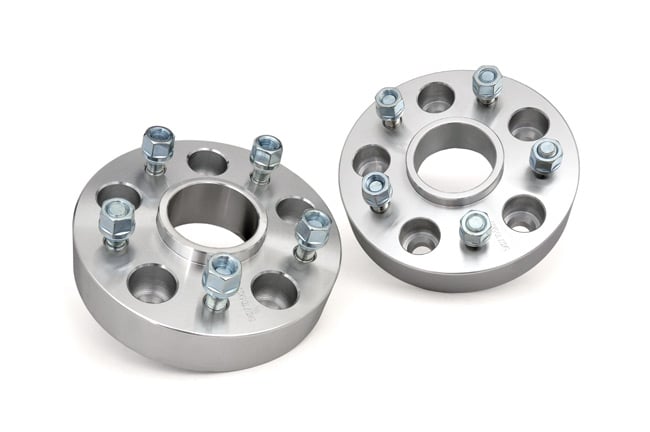
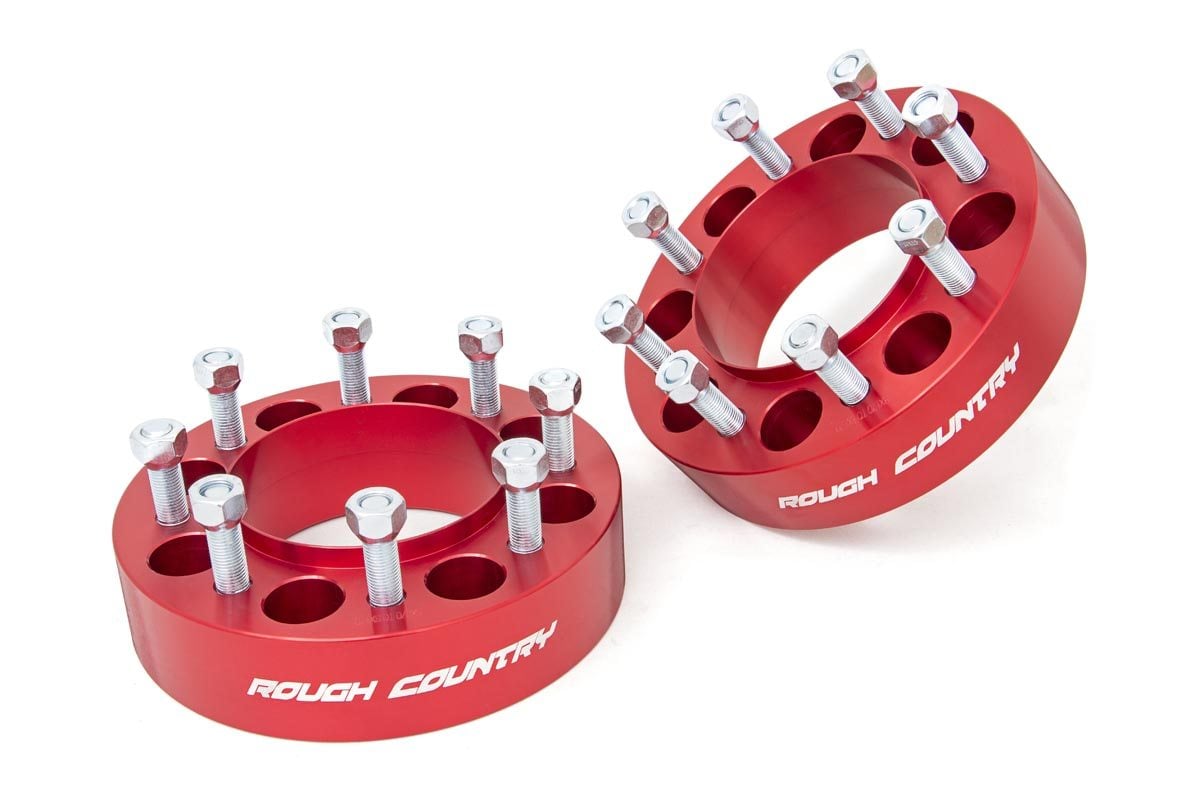
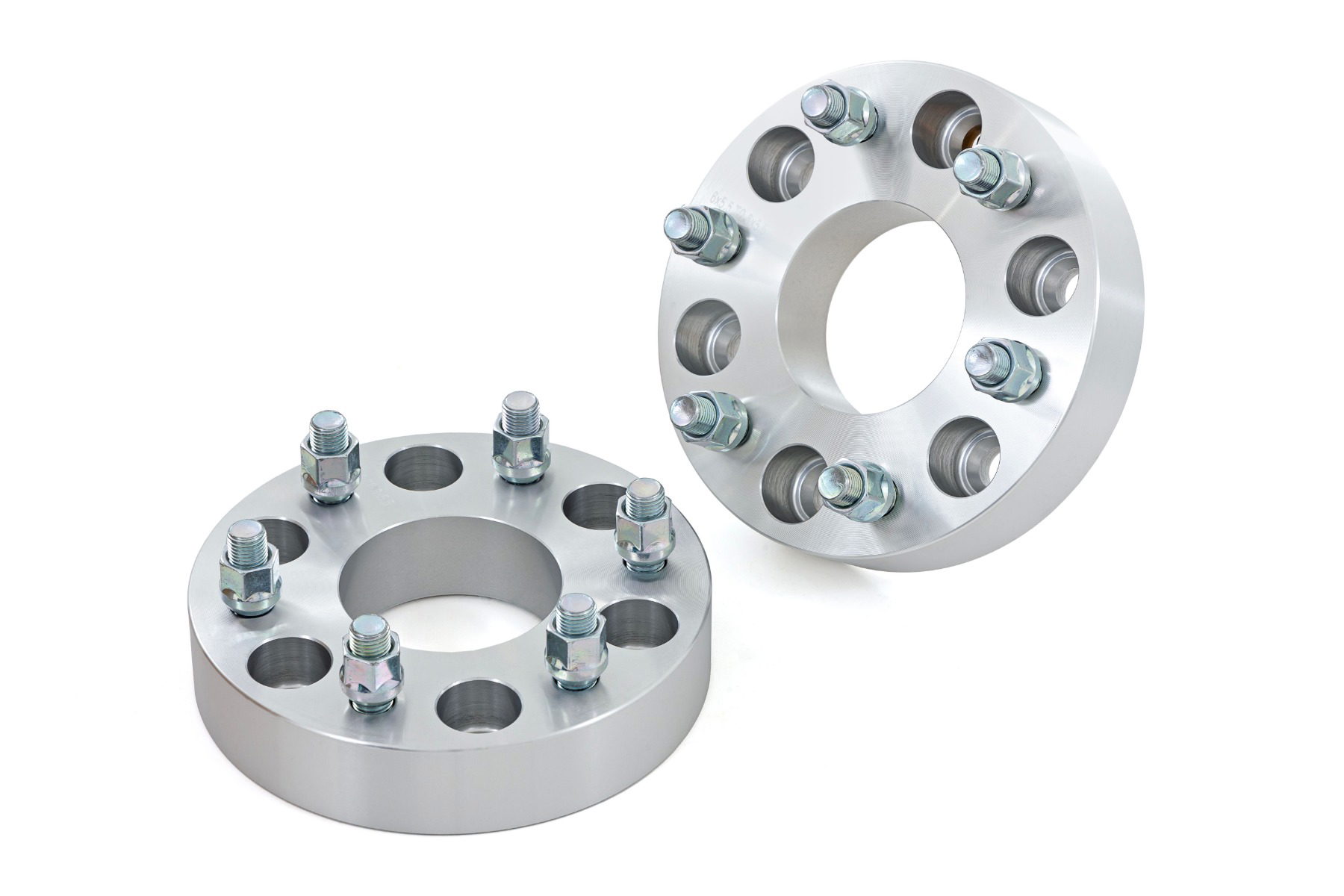
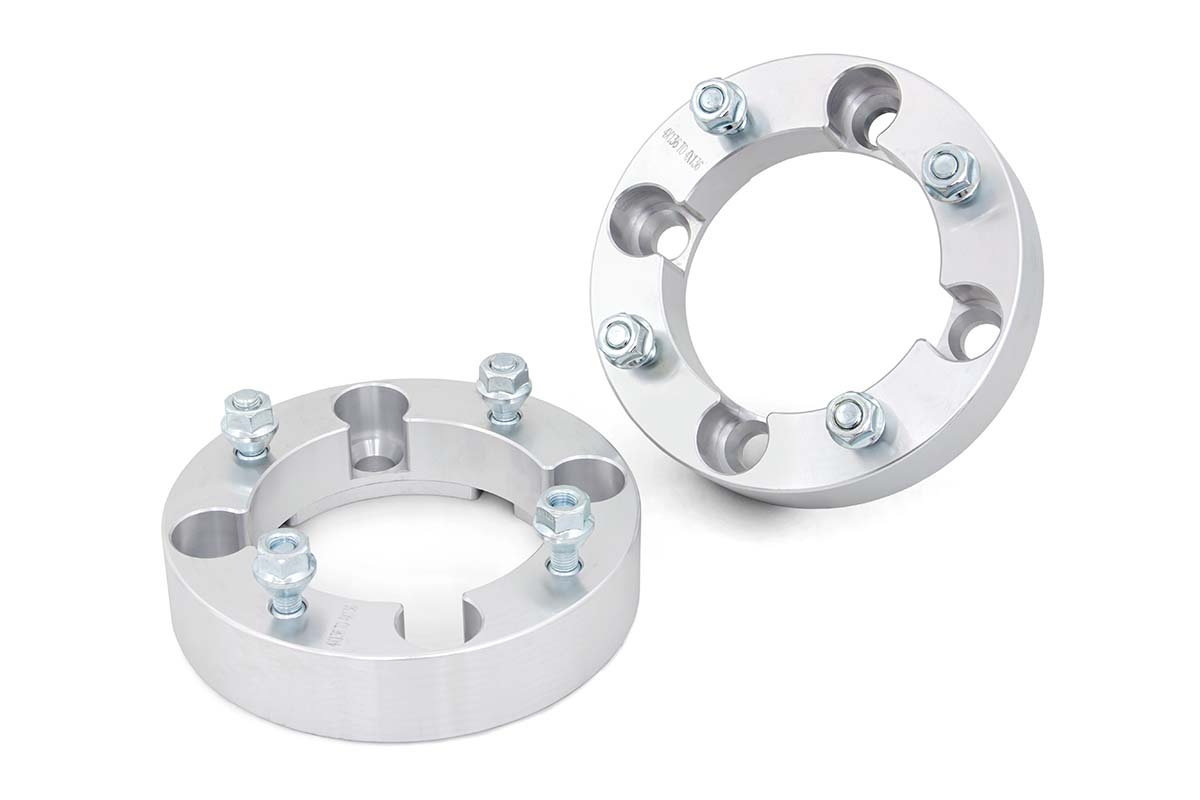
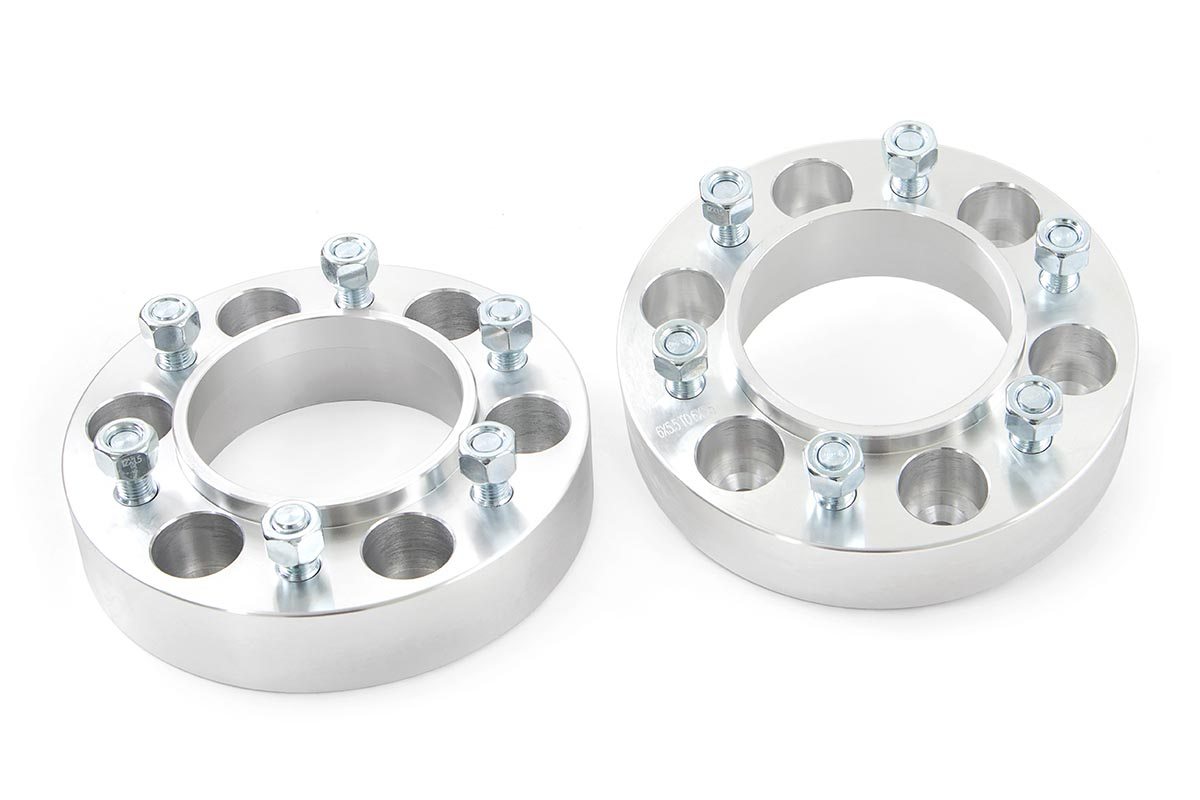
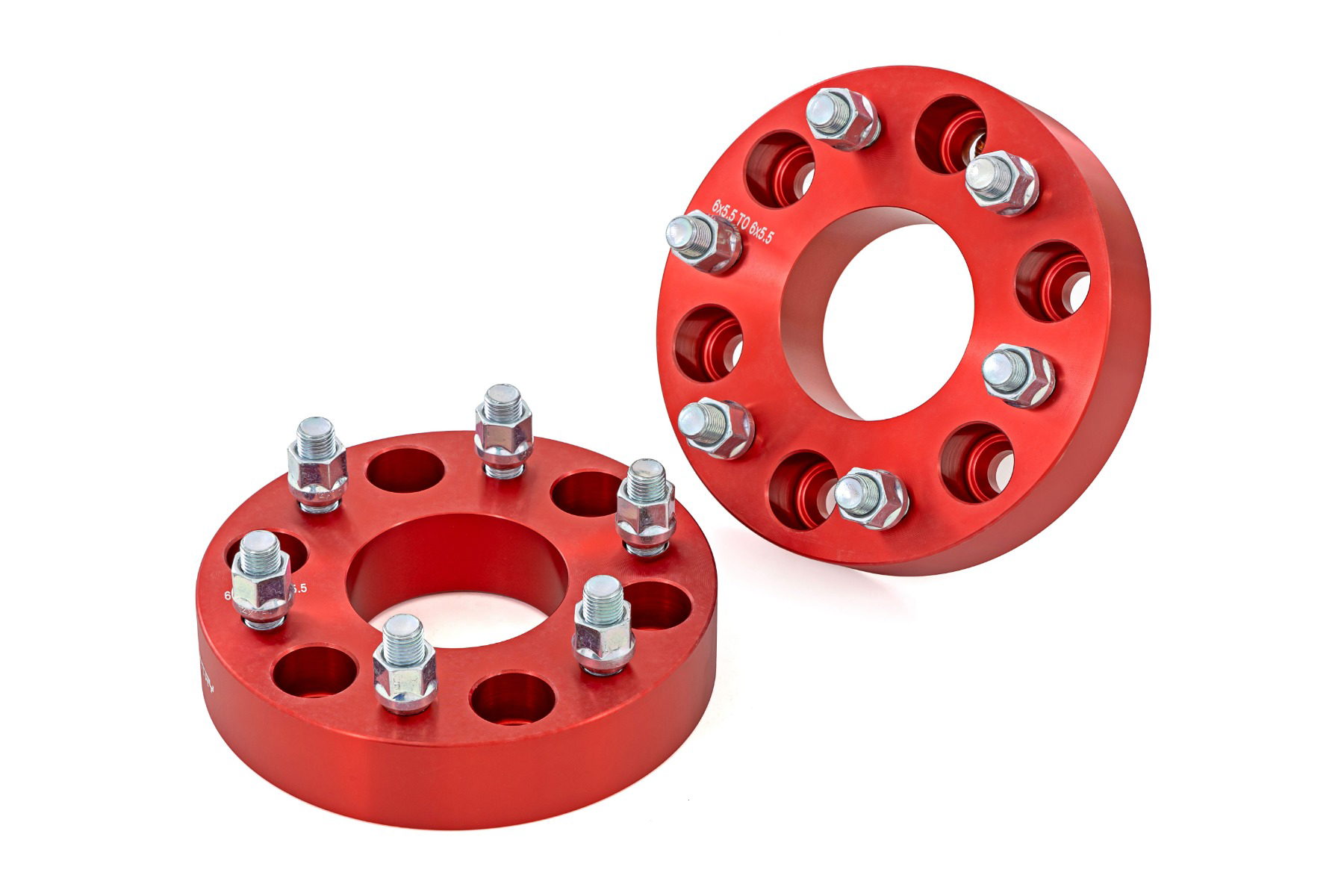
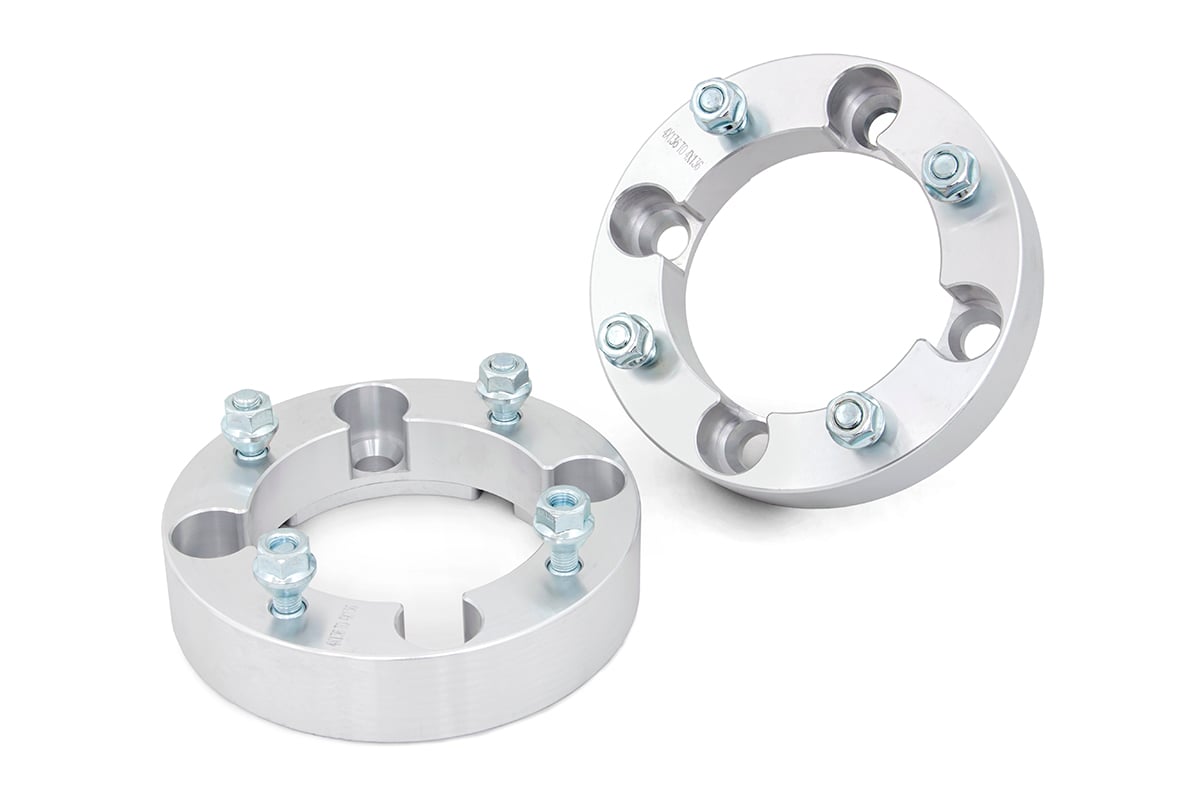
Buy hub-centric, always. A hub-centric spacer carries the vehicle's weight on the hub, exactly as the wheel was designed to. A lug-centric spacer hangs the load on the studs instead, and studs are for clamping, not for carrying. Bolt-on spacers with their own pressed studs are the stronger design; thin slip-on spacers leave less thread engagement and are the ones that come loose.
Top sellers
Popular in Wheel Spacers
 1.5 Inch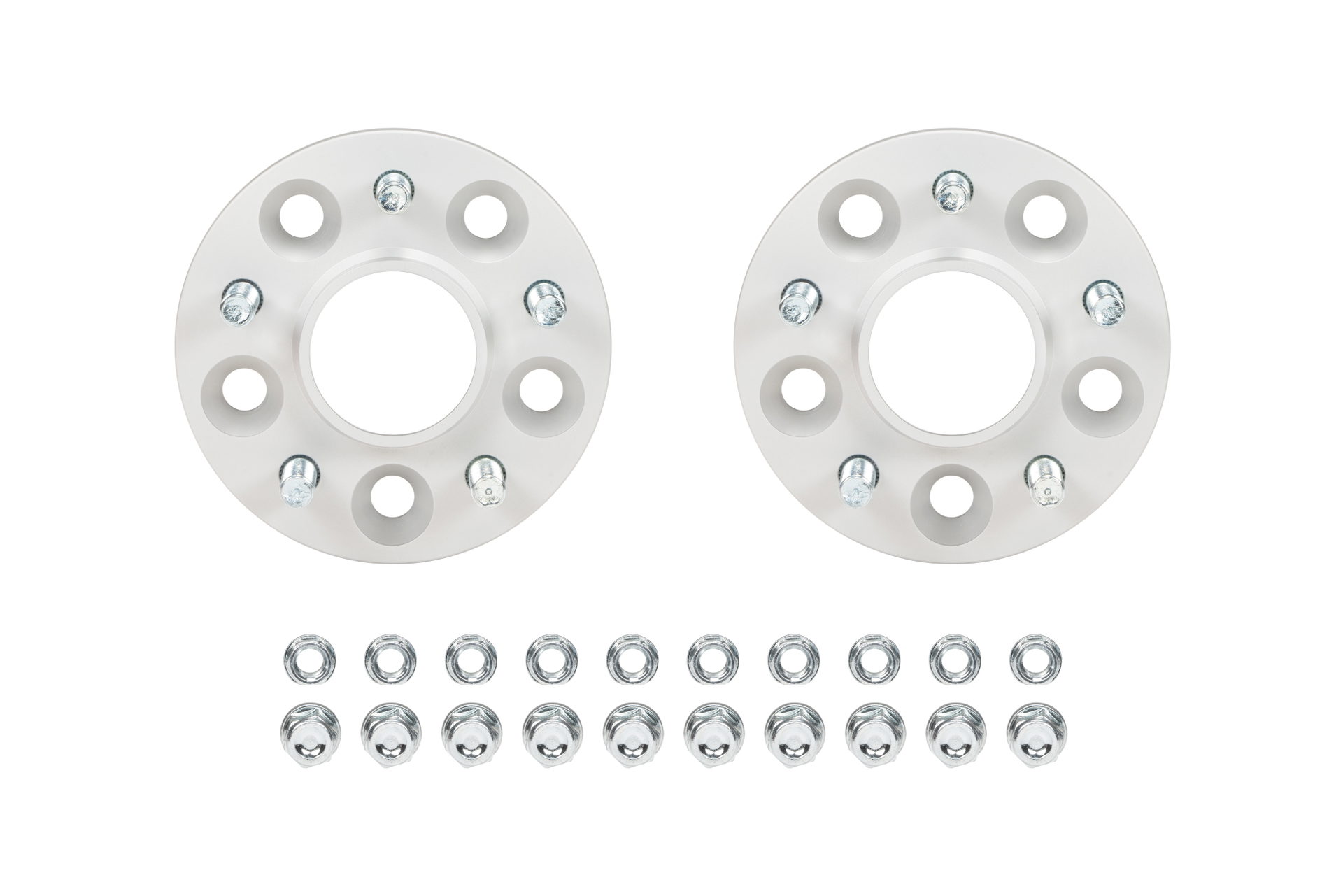
 2 Inch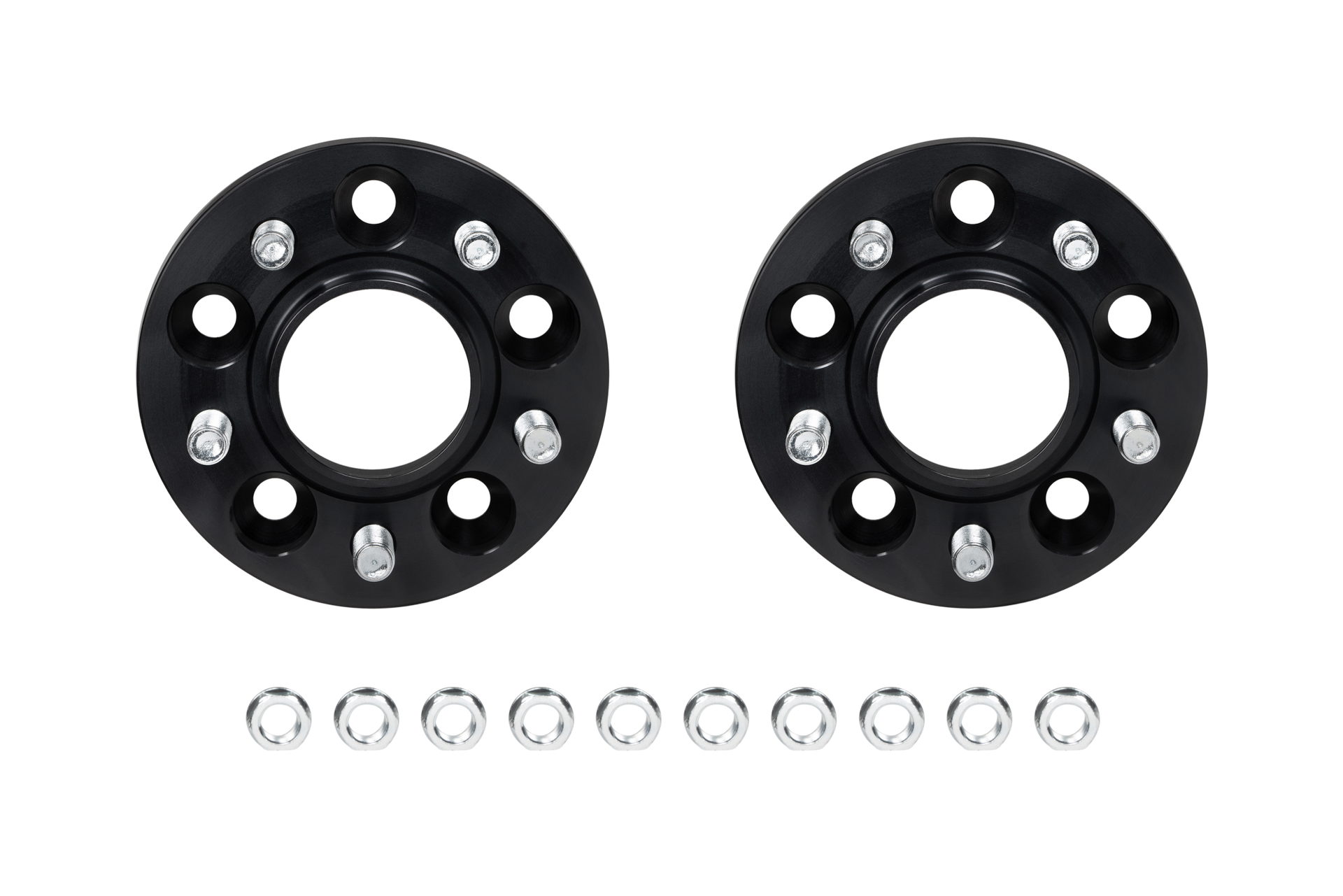
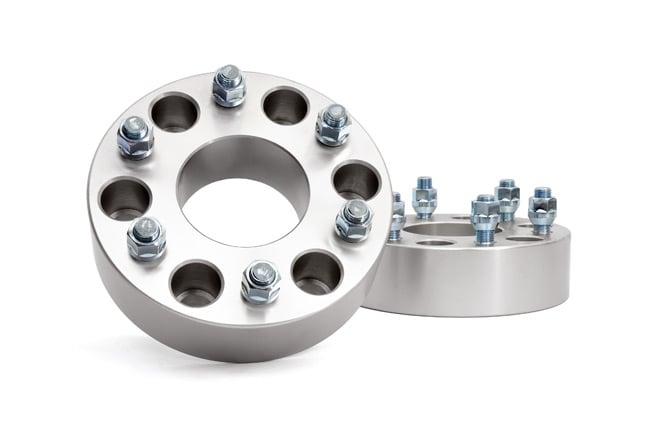 2 Inch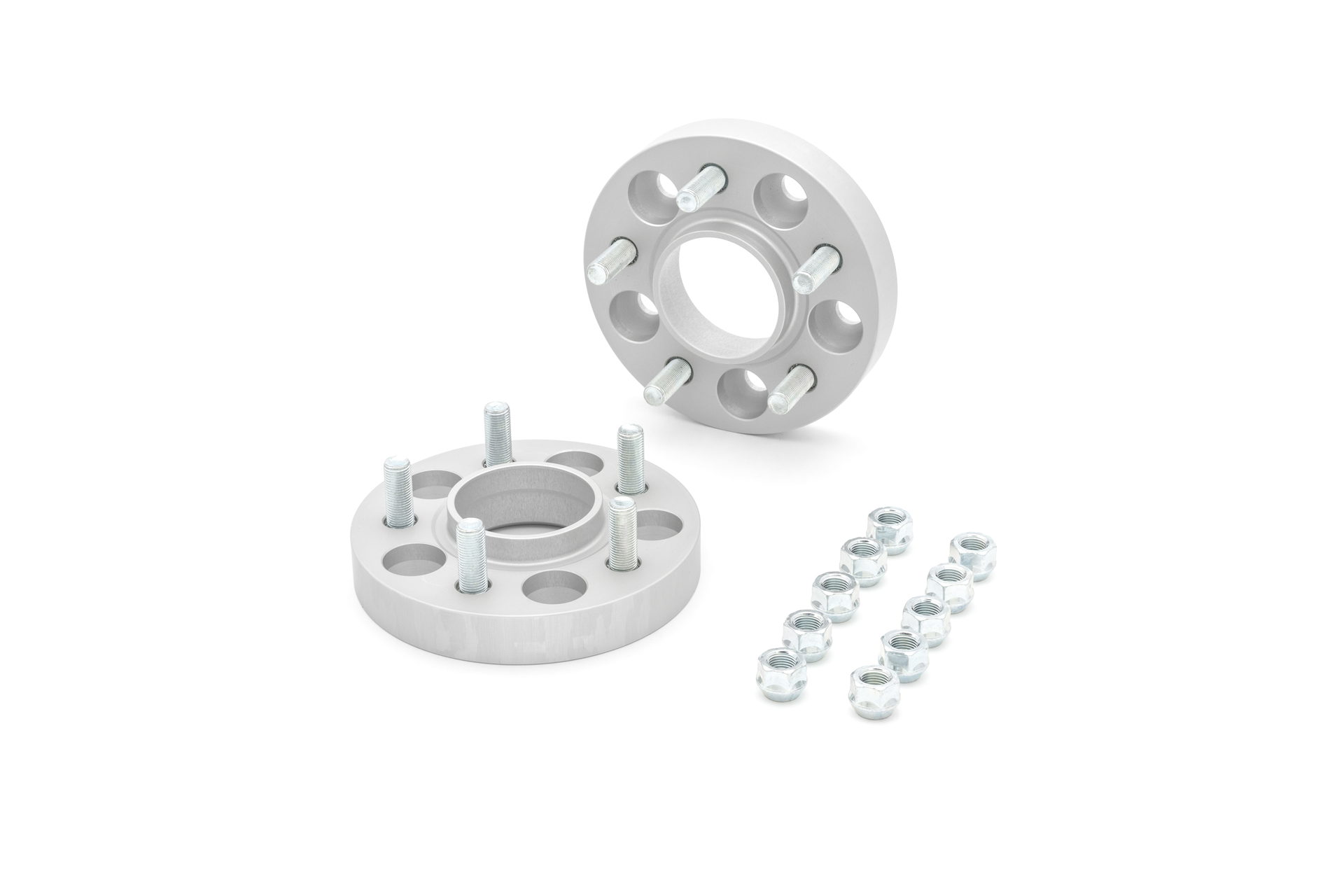
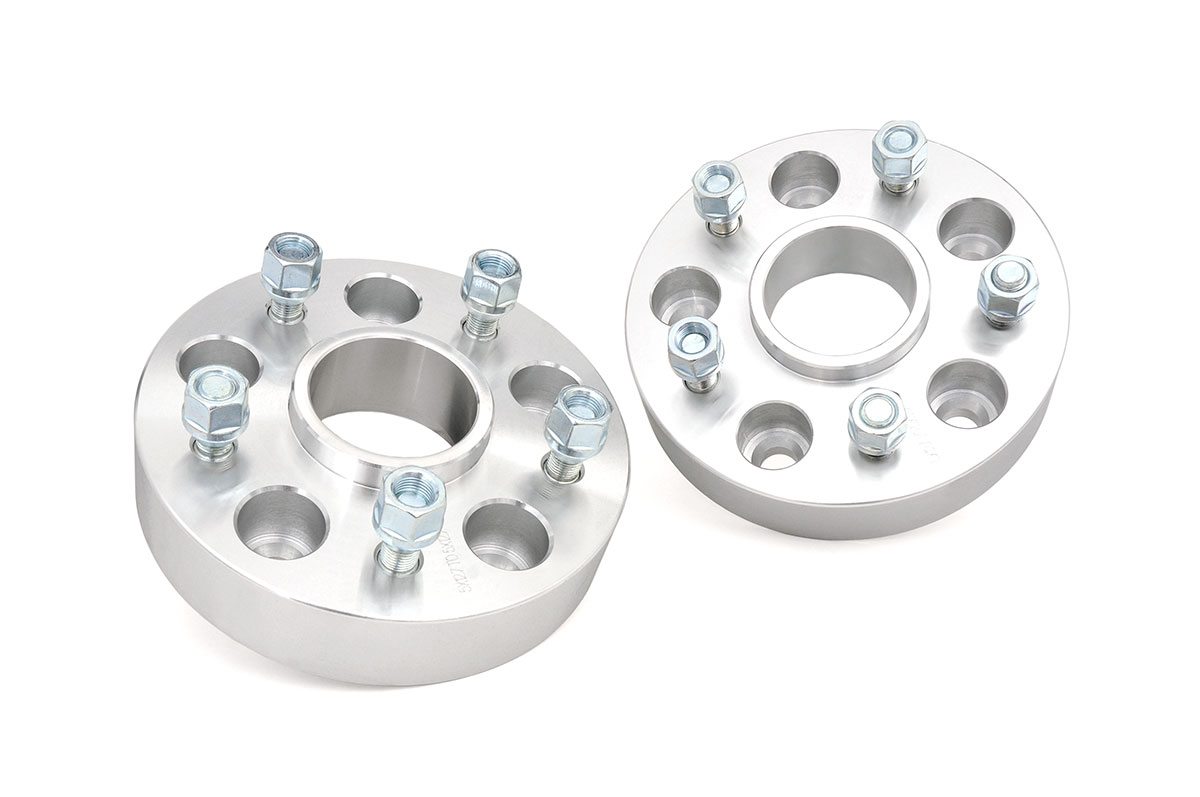 2 Inch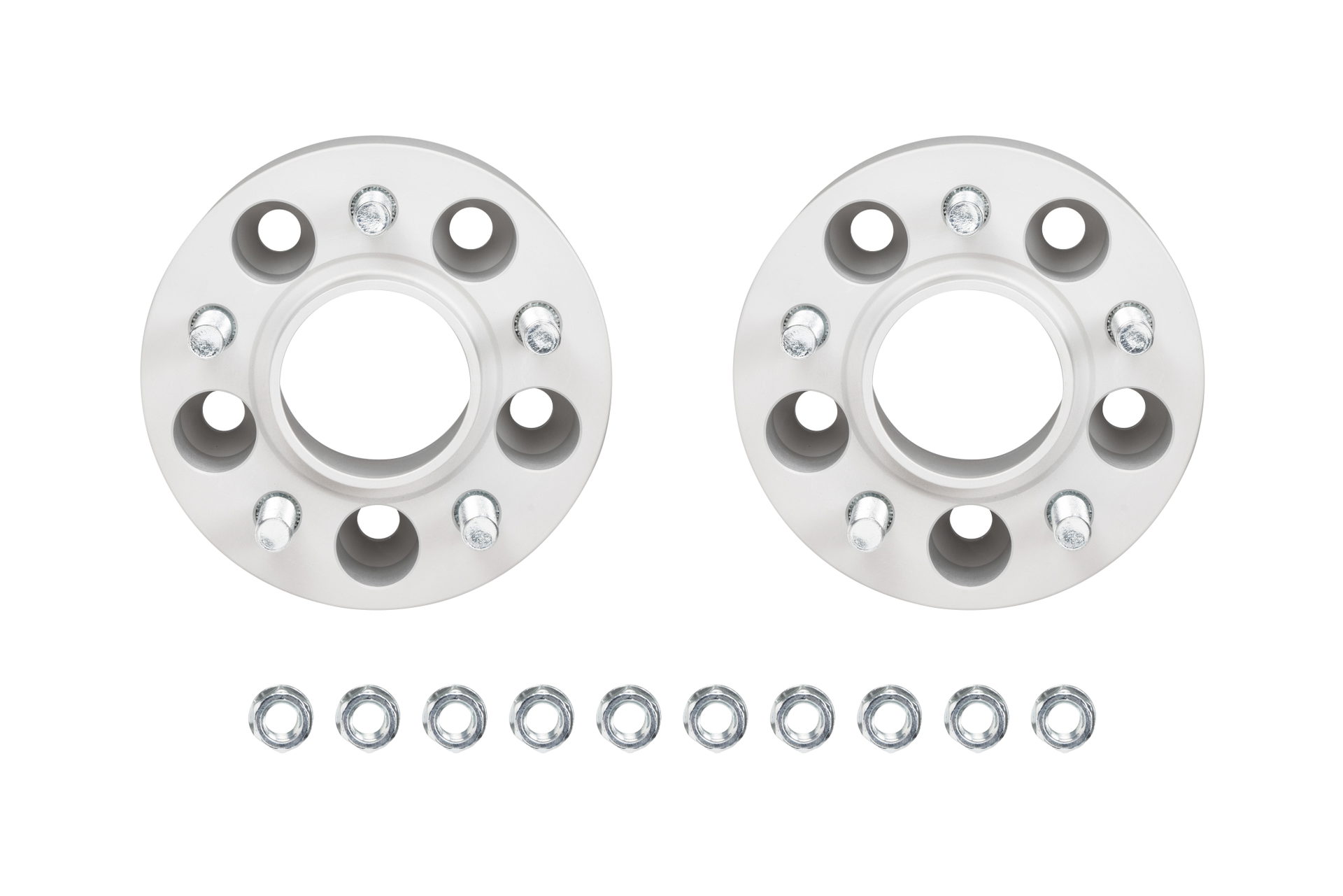
 1.5 Inch
 1.5 Inch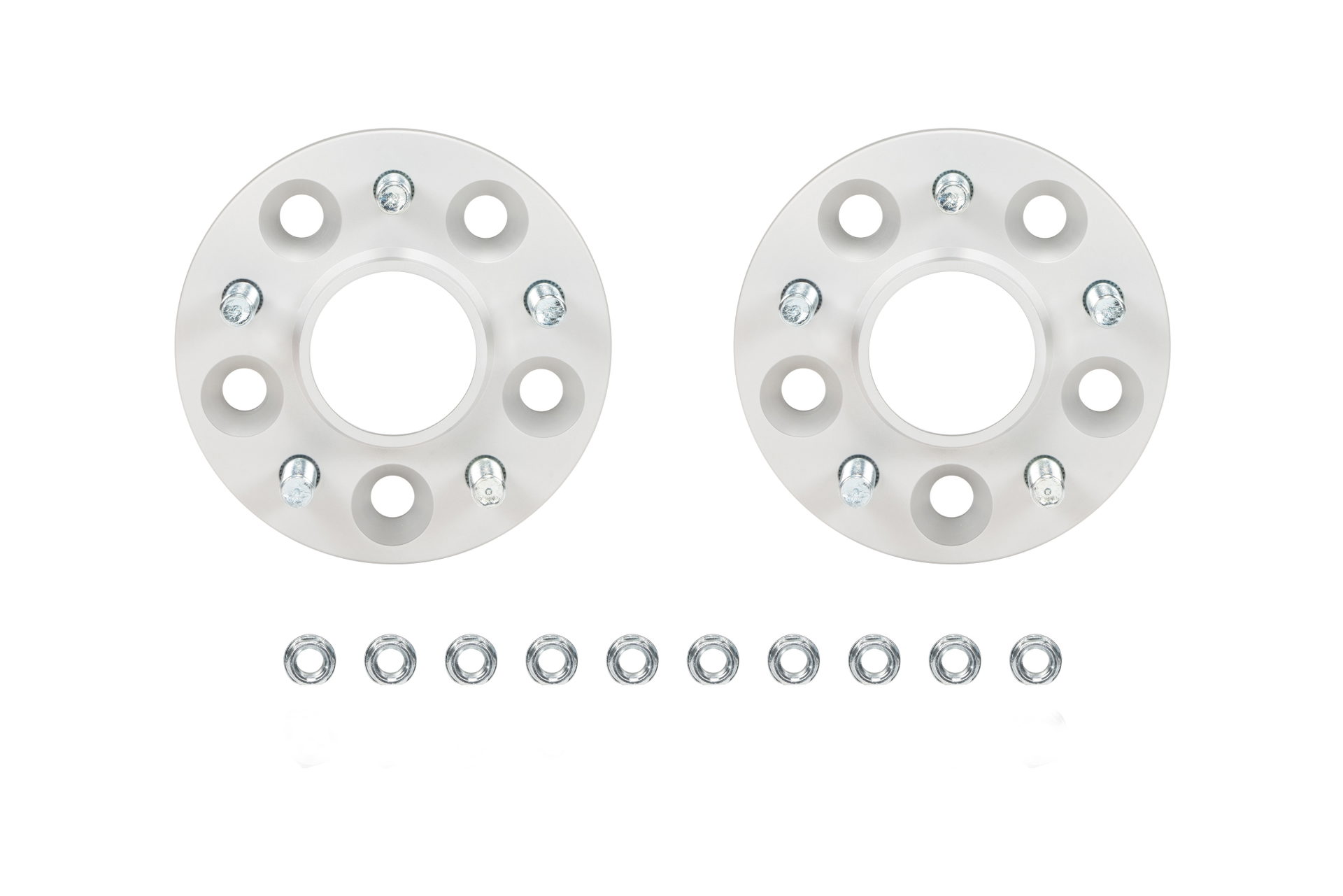
 1.5 Inch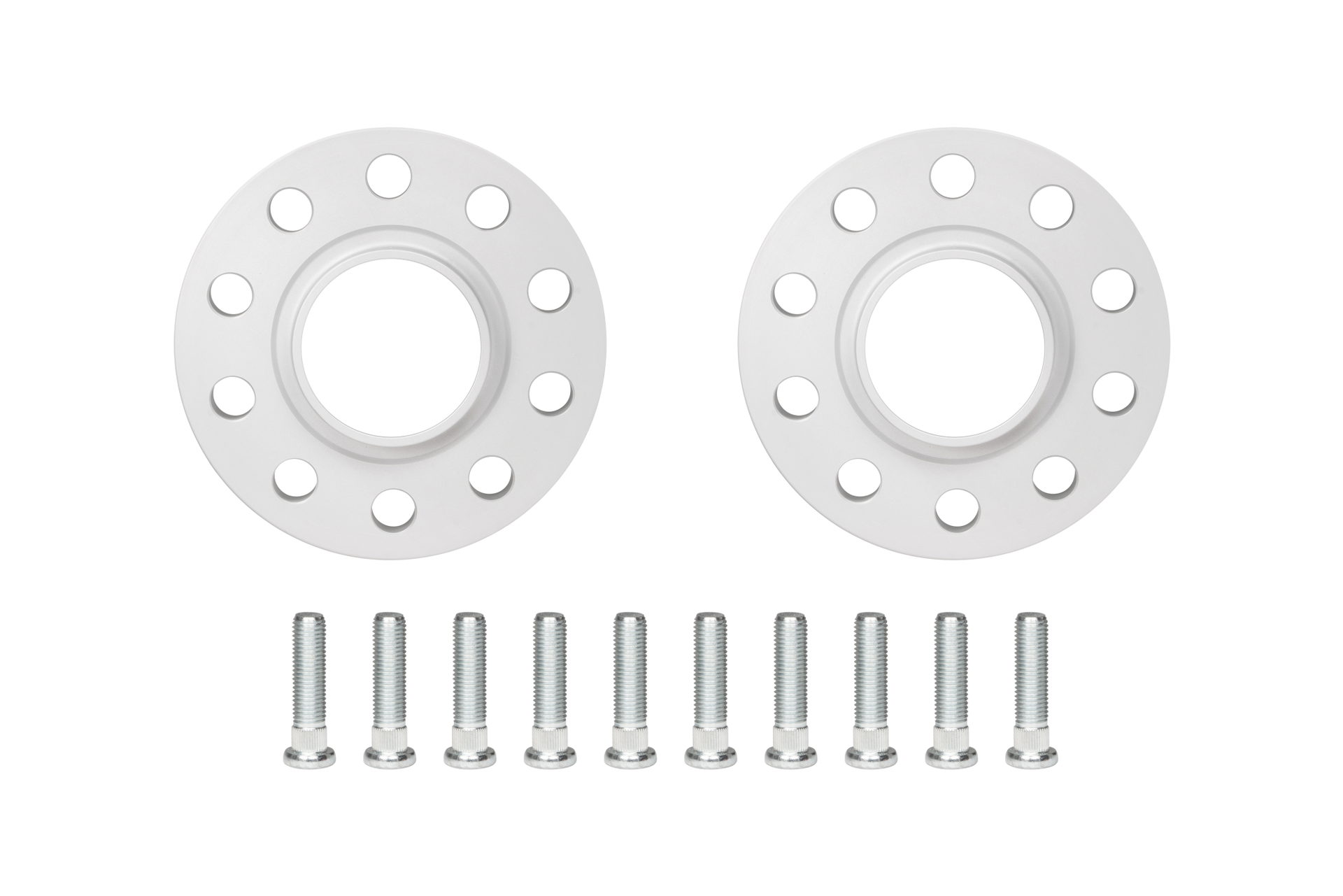
 1.5 Inch
 1.5 Inch
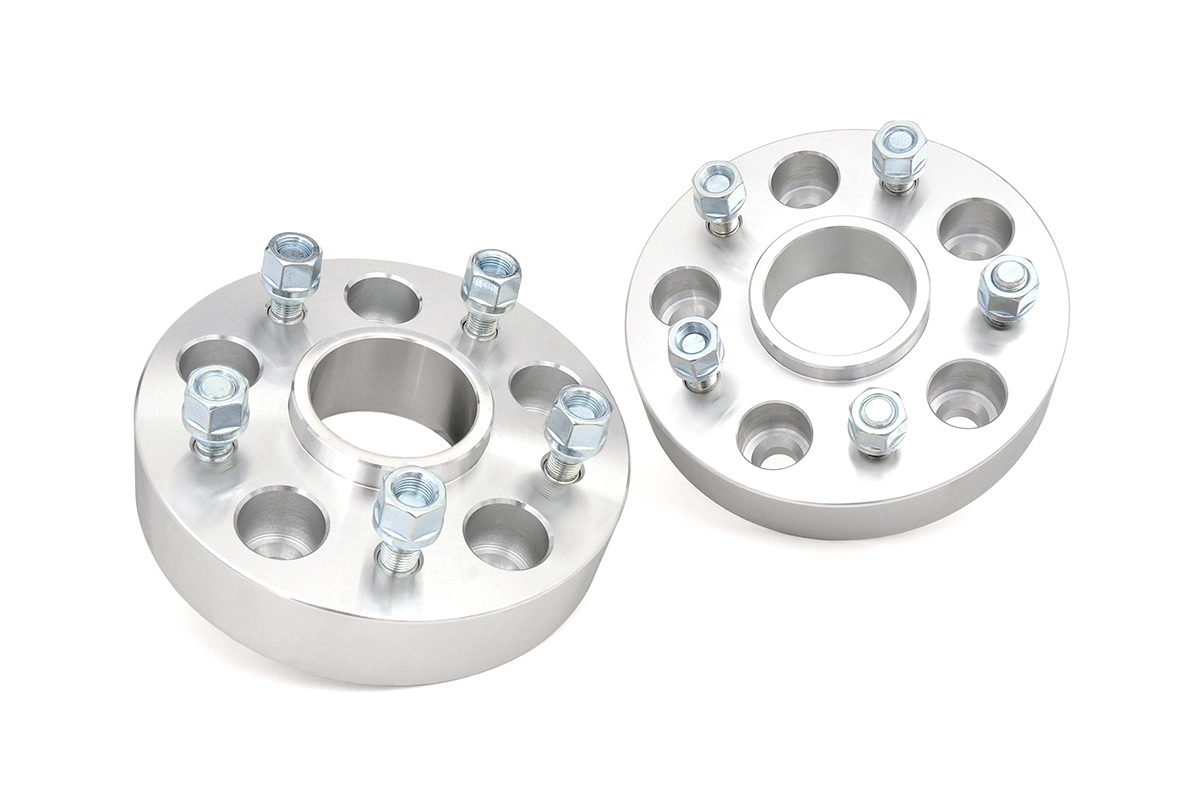 2 Inch
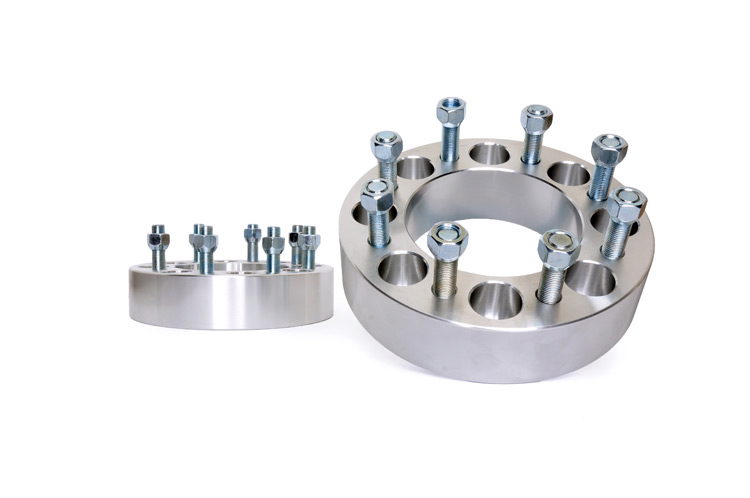 2 Inch
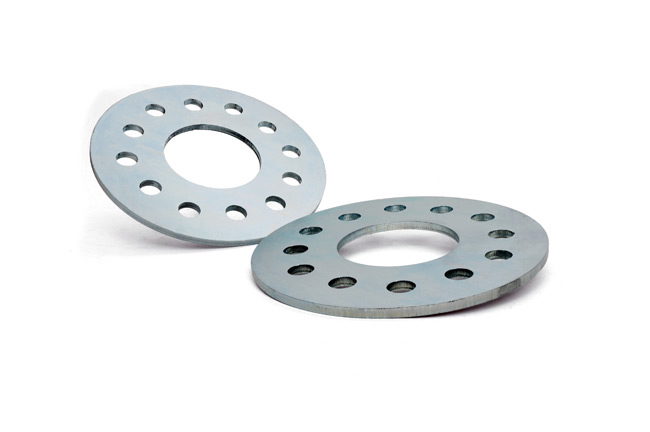 0.25 Inch
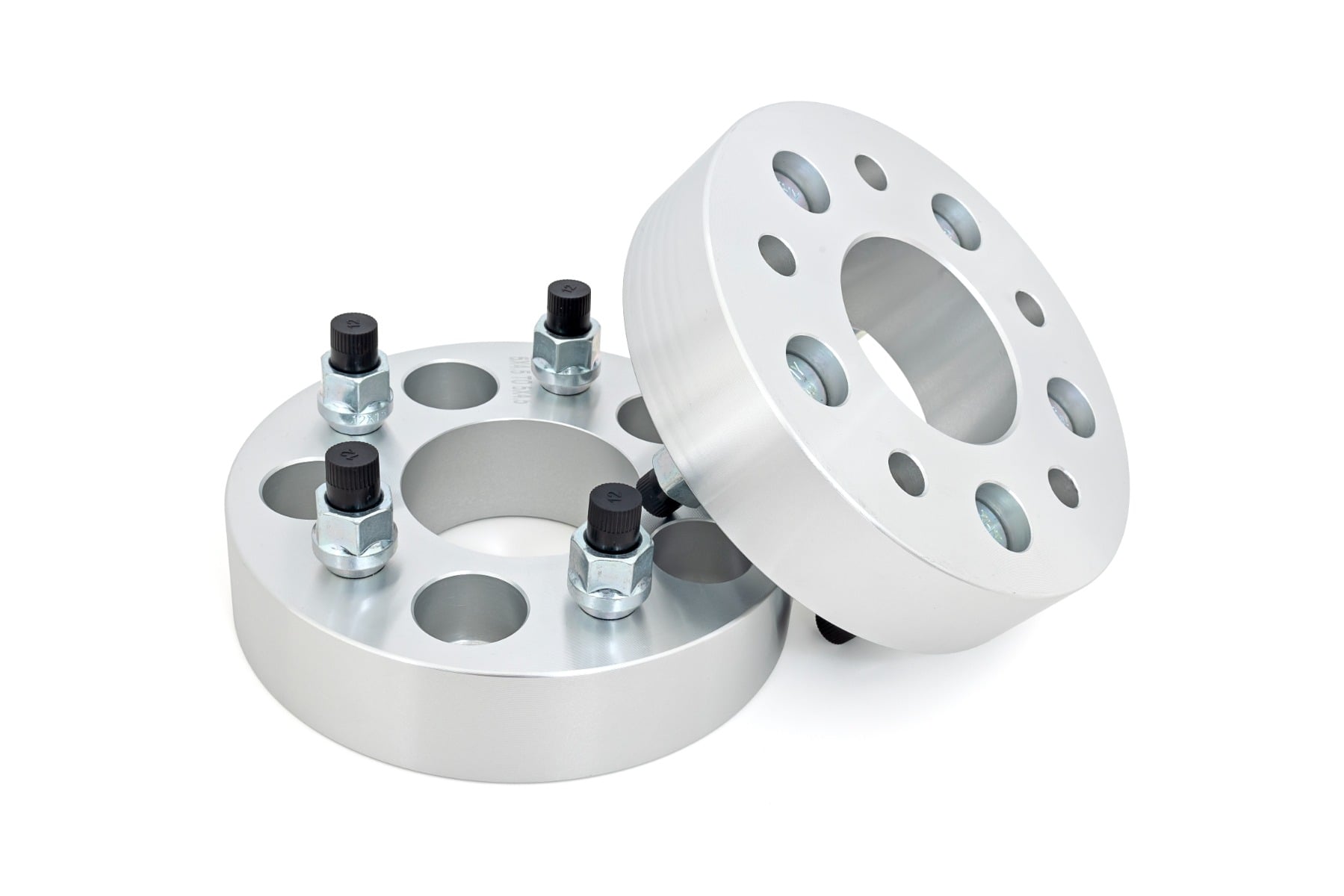 1.5 Inch
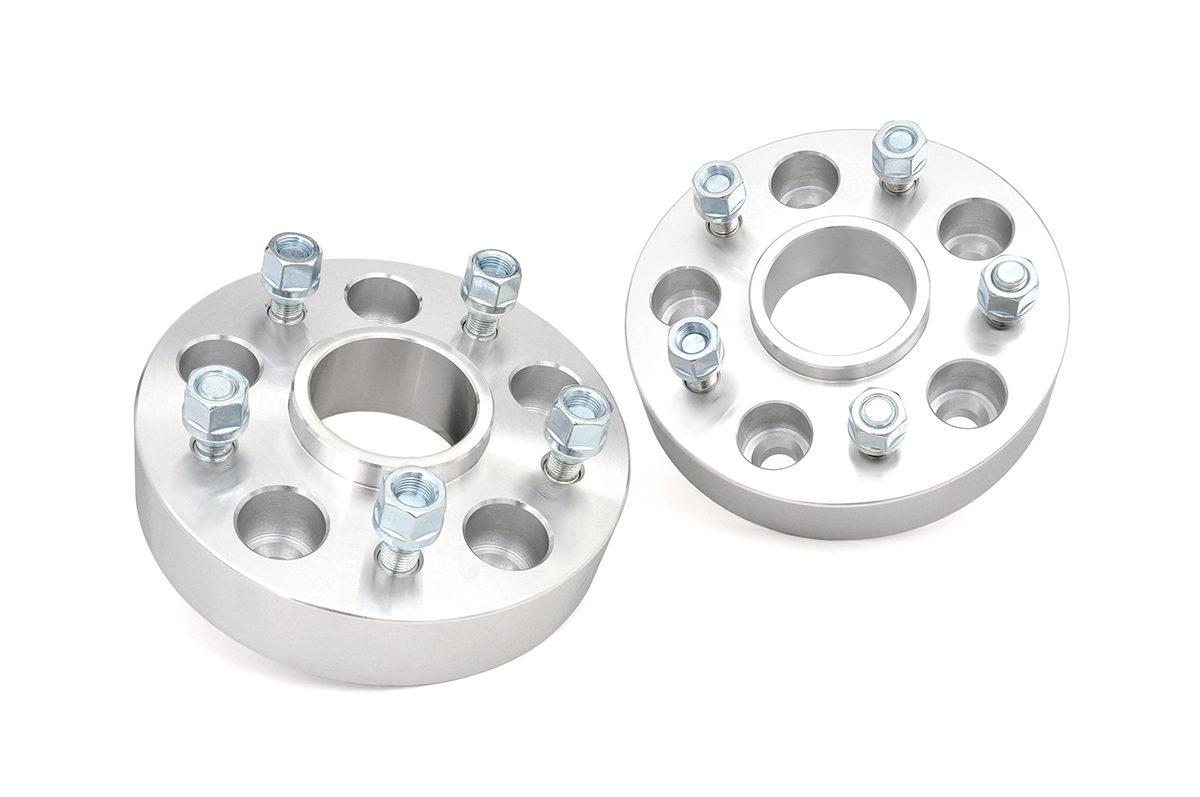 2 Inch
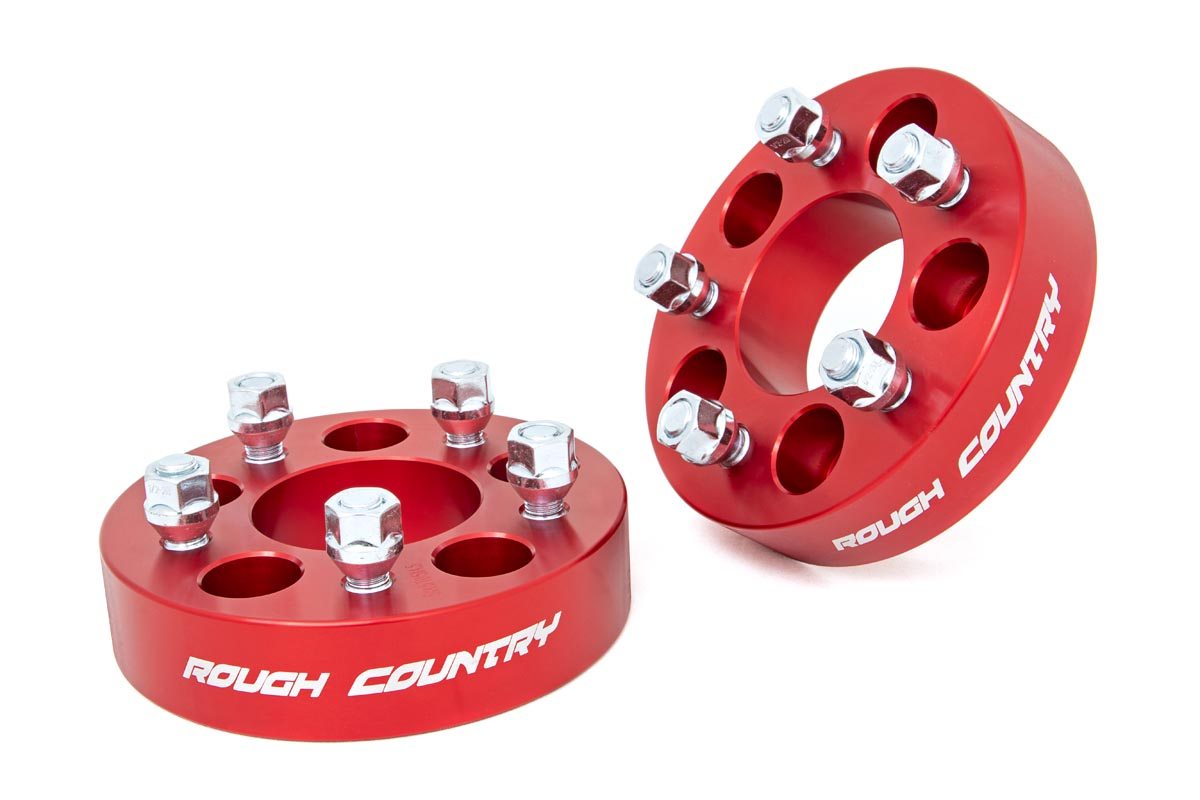 1.5 Inch
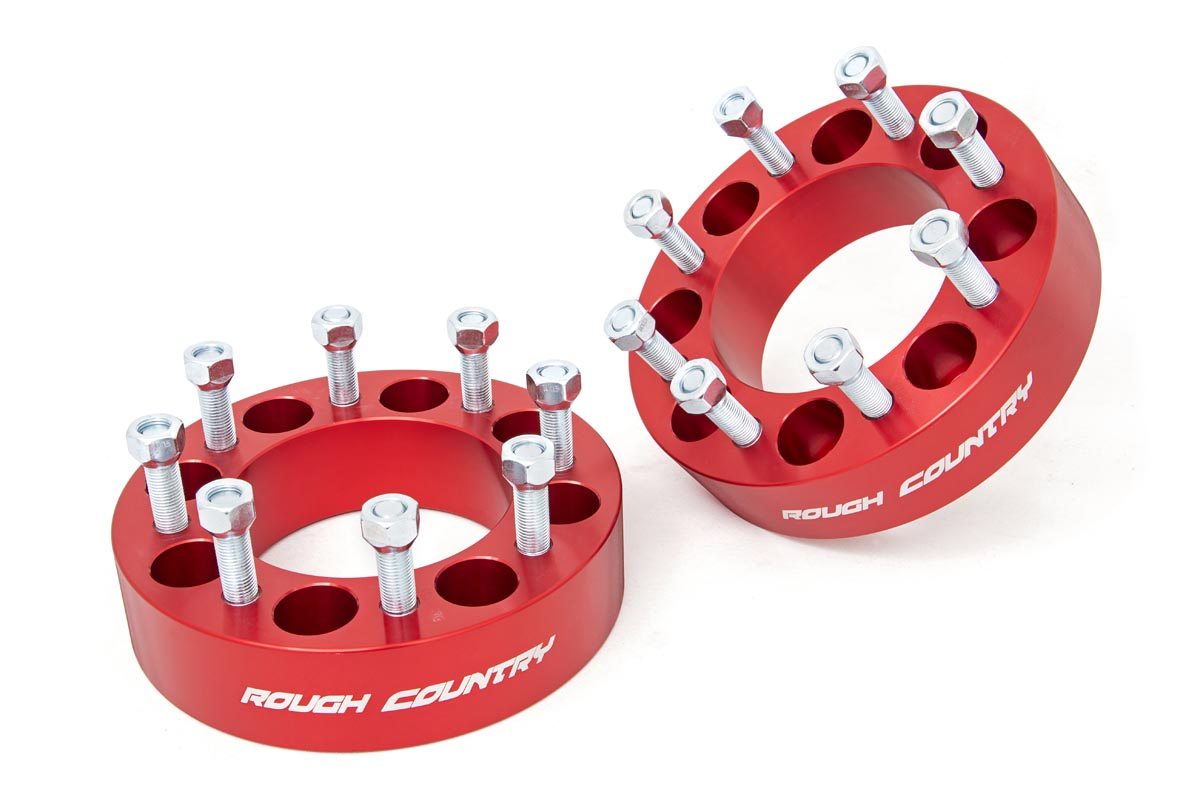 2 Inch
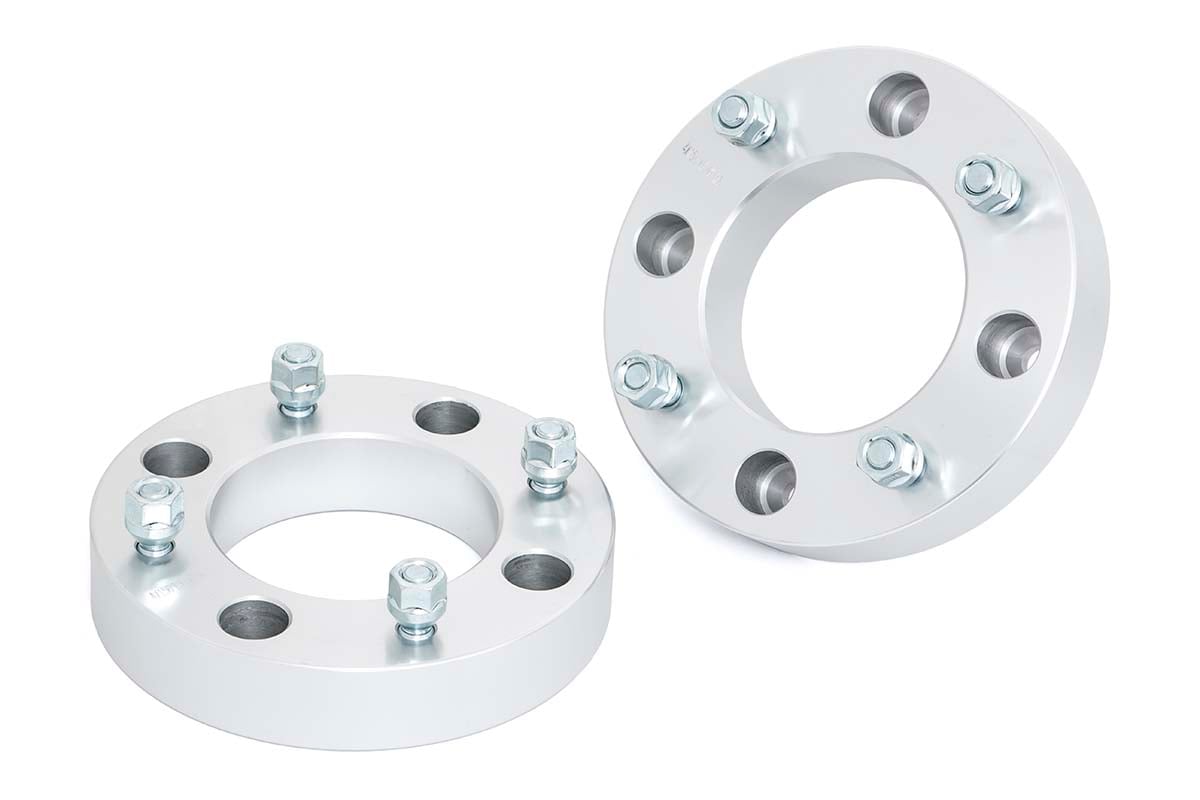 1.5 Inch
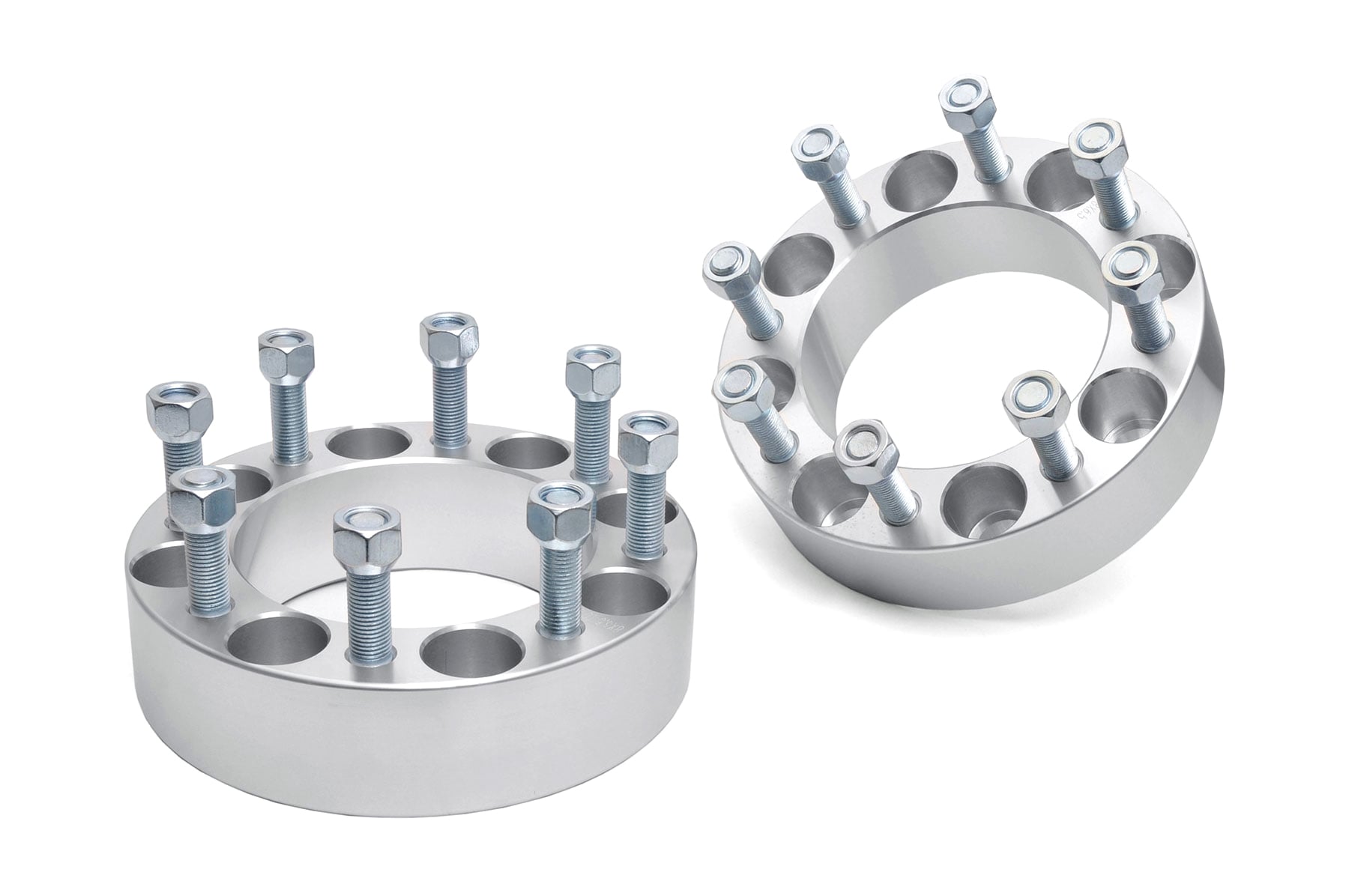 2 Inch
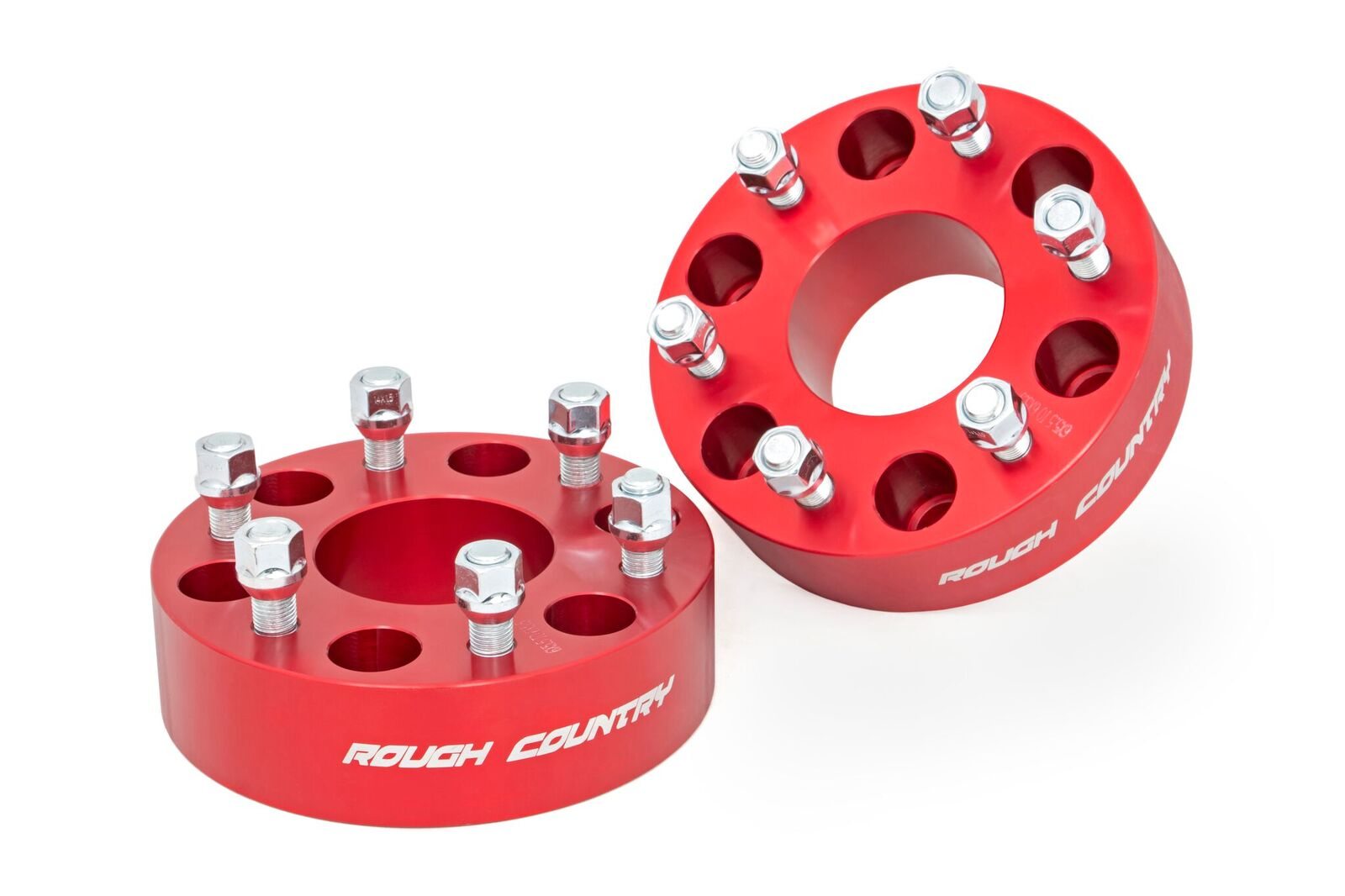 2 Inch
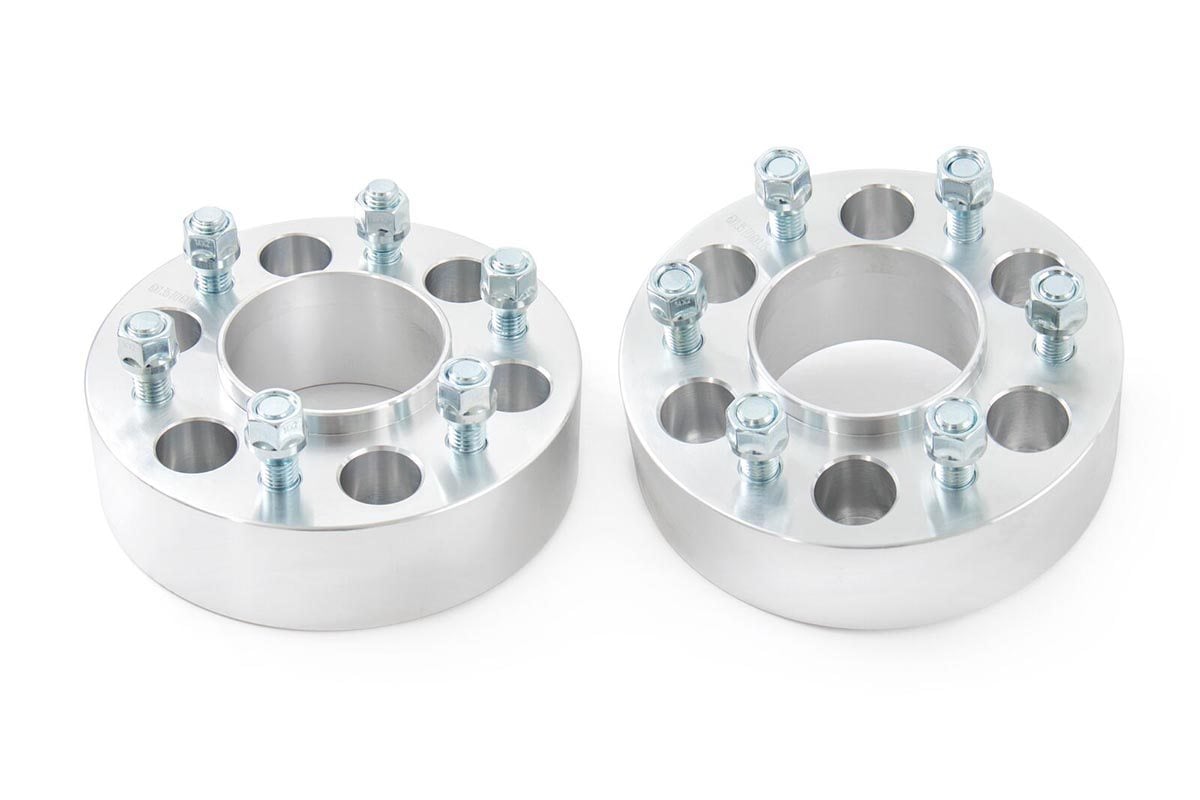 2 Inch
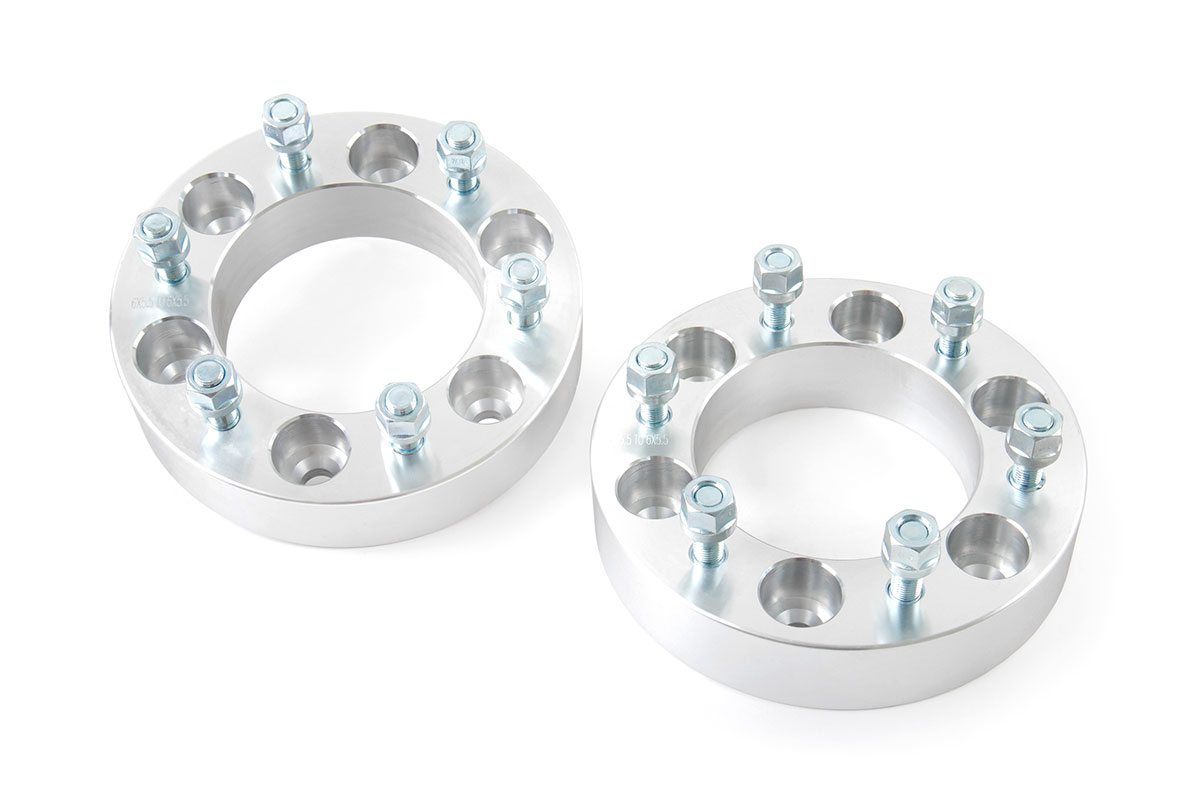 1.5 Inch
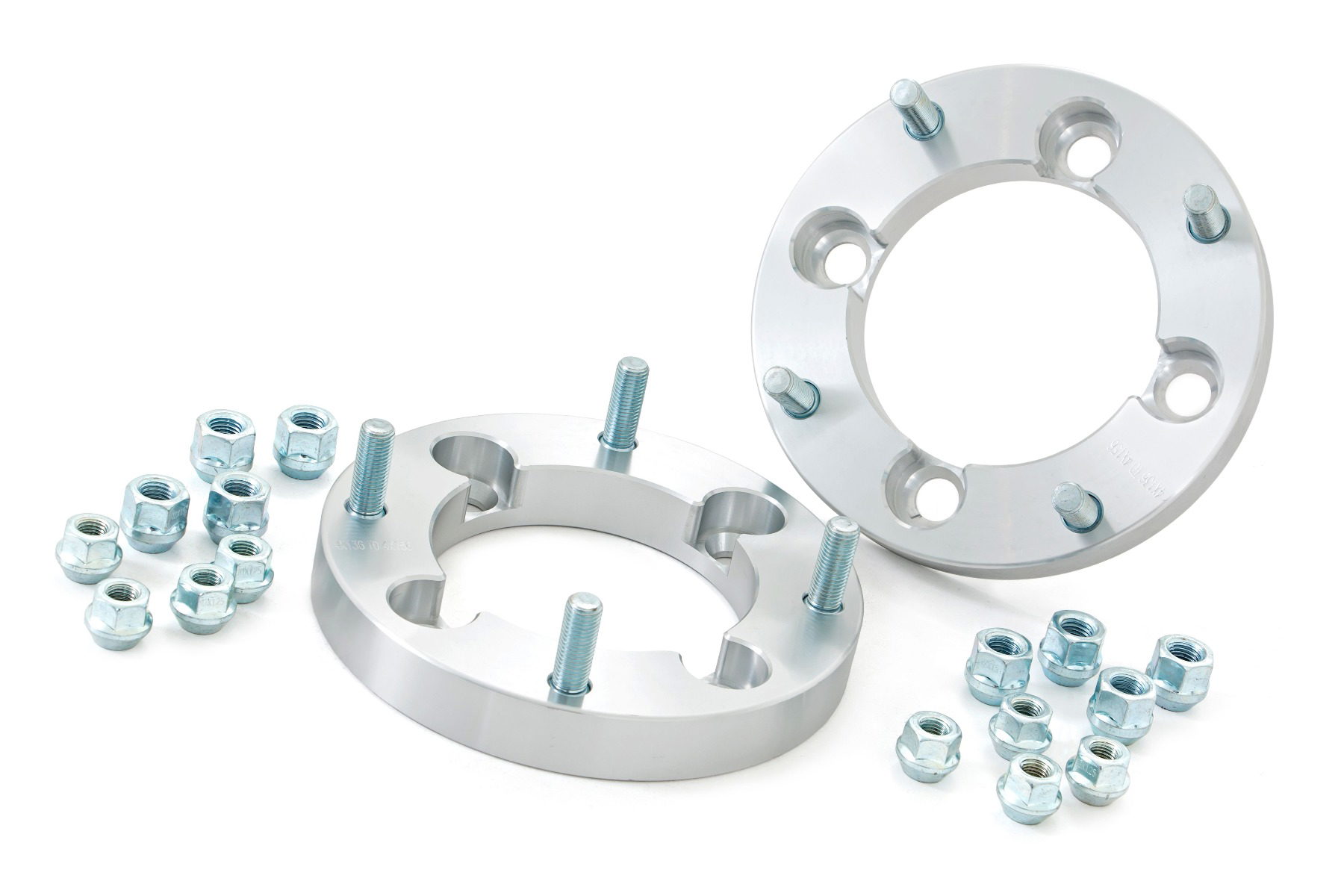 1 Inch
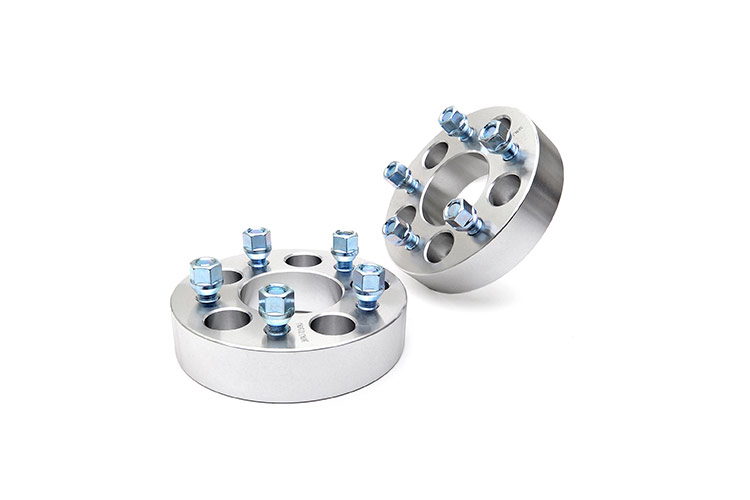 1.5 Inch
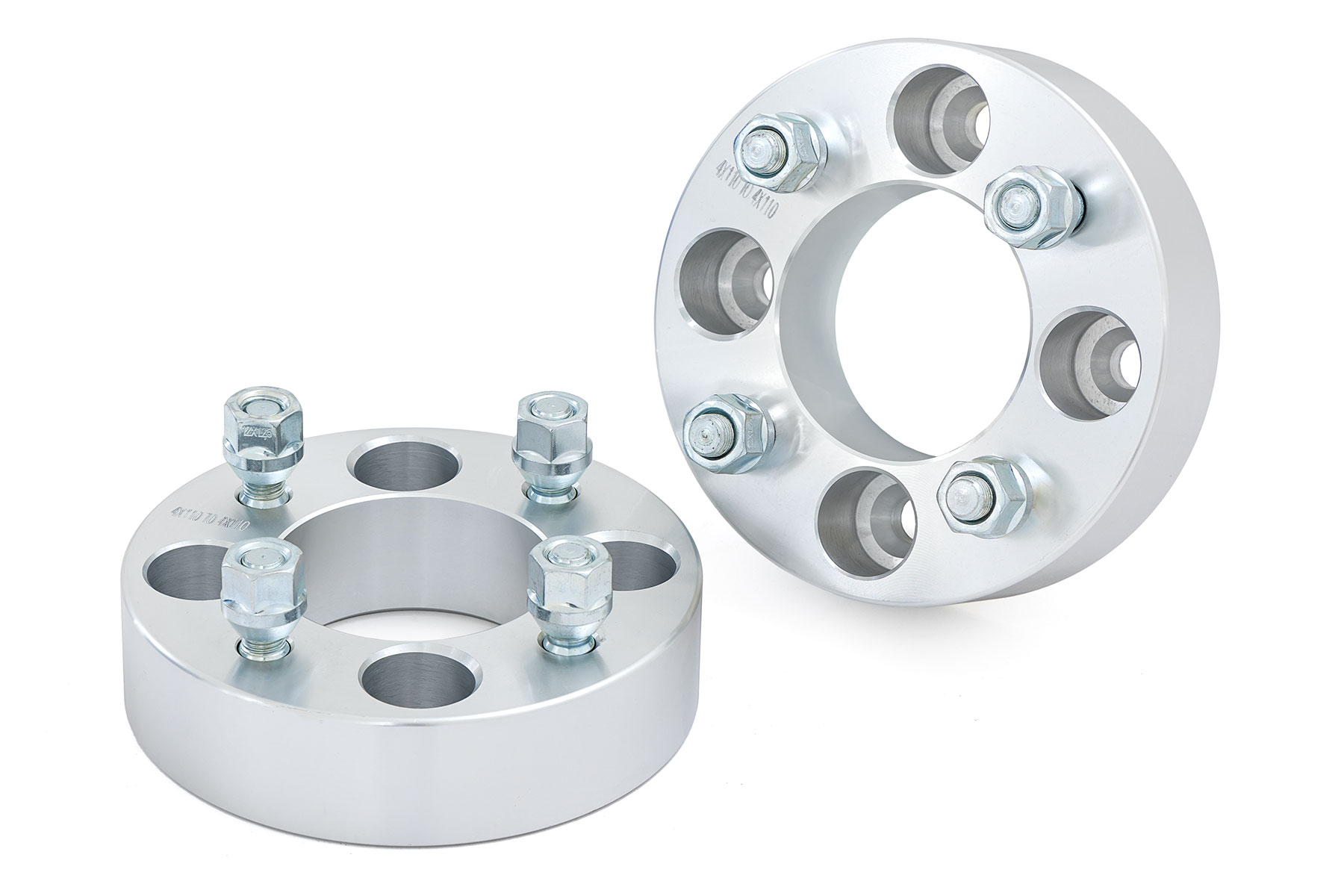 1.5 Inch
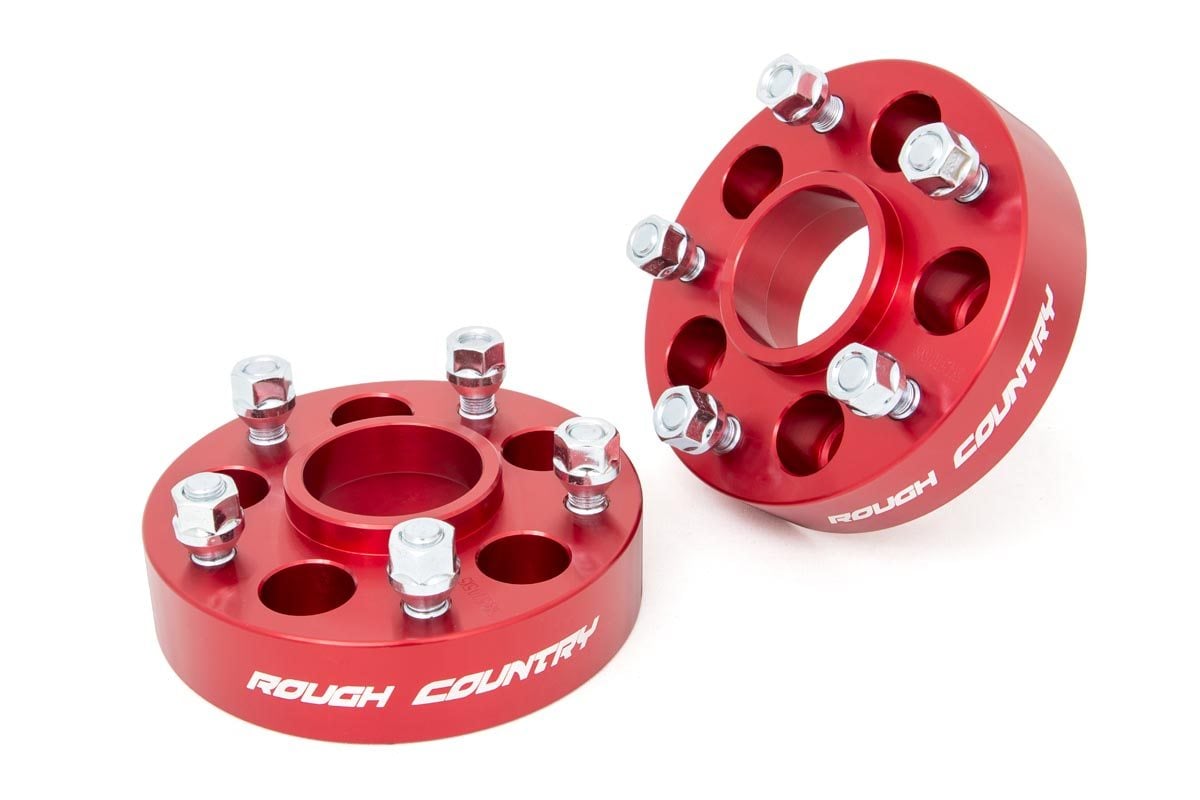 1.5 Inch
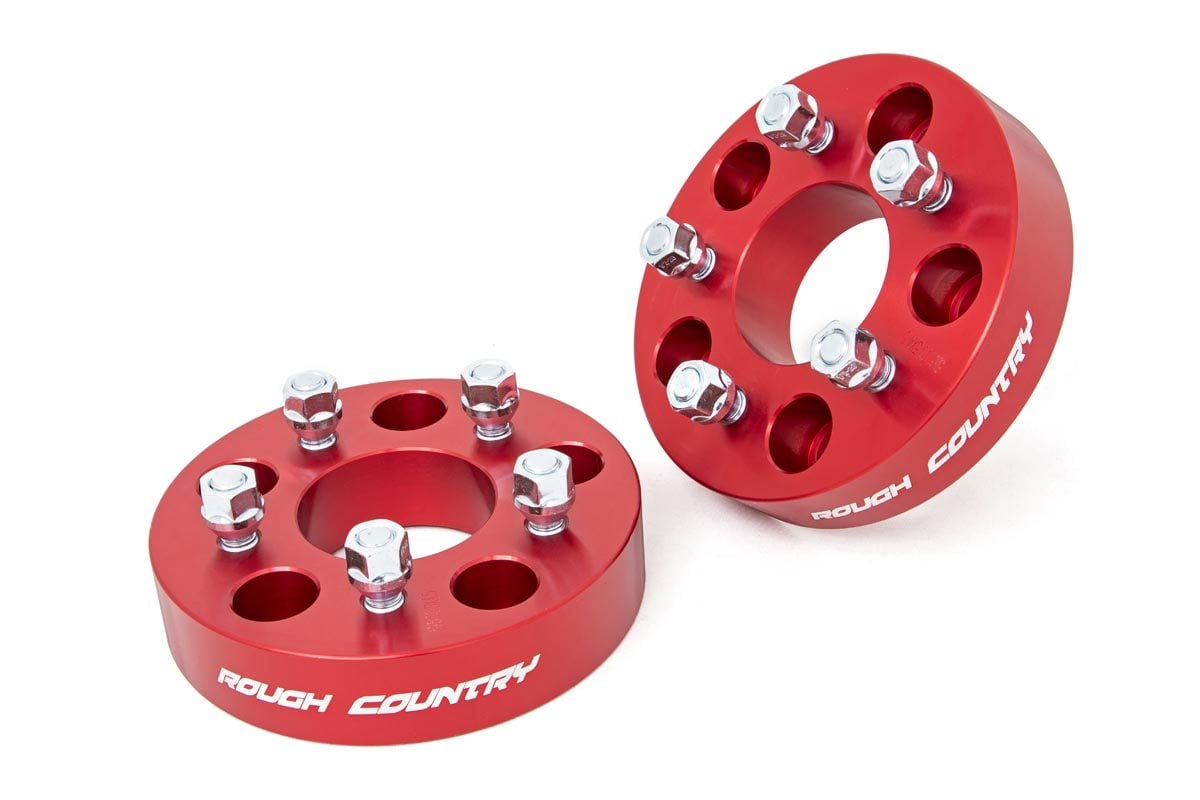 1.5 Inch
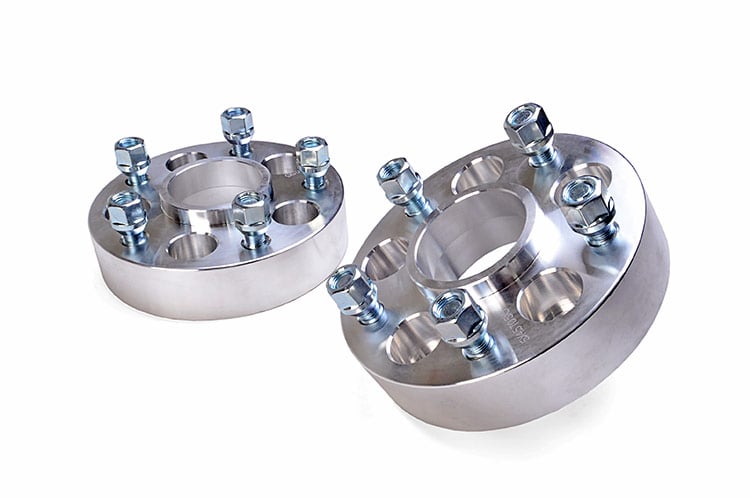 1.5 Inch
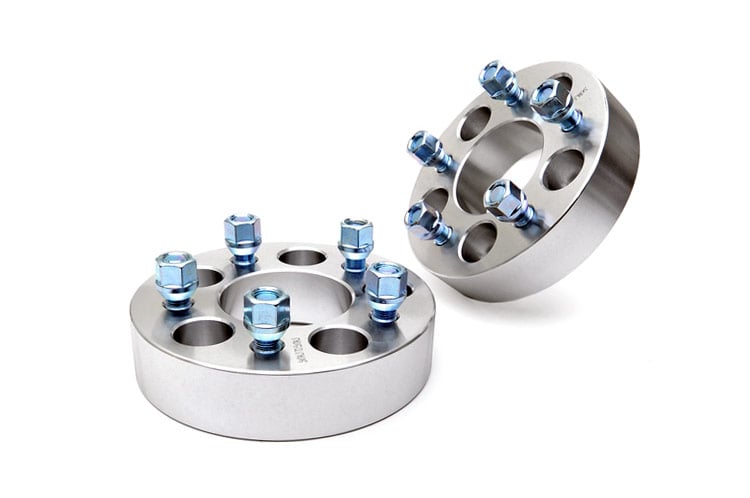 1.5 Inch
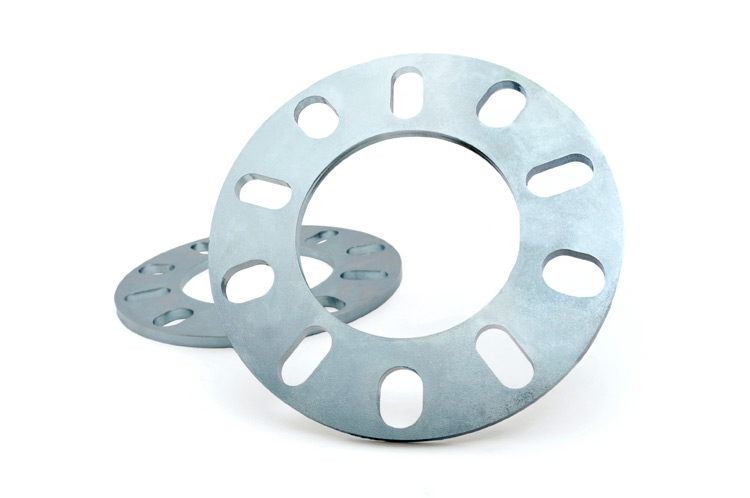 0.25 Inch
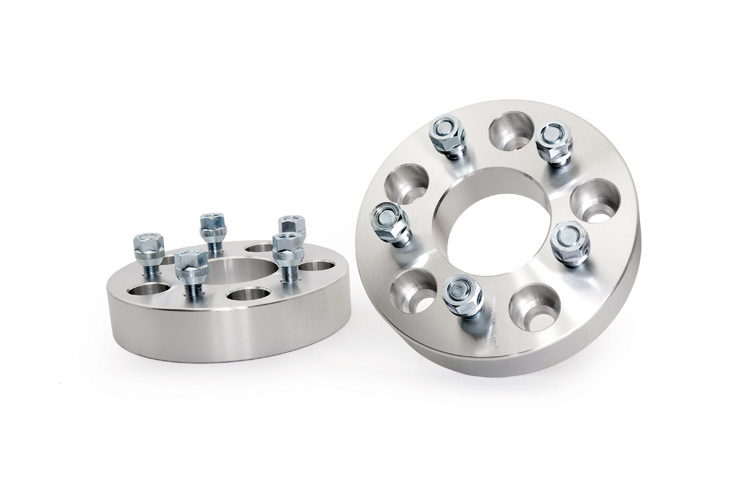 1.5 Inch
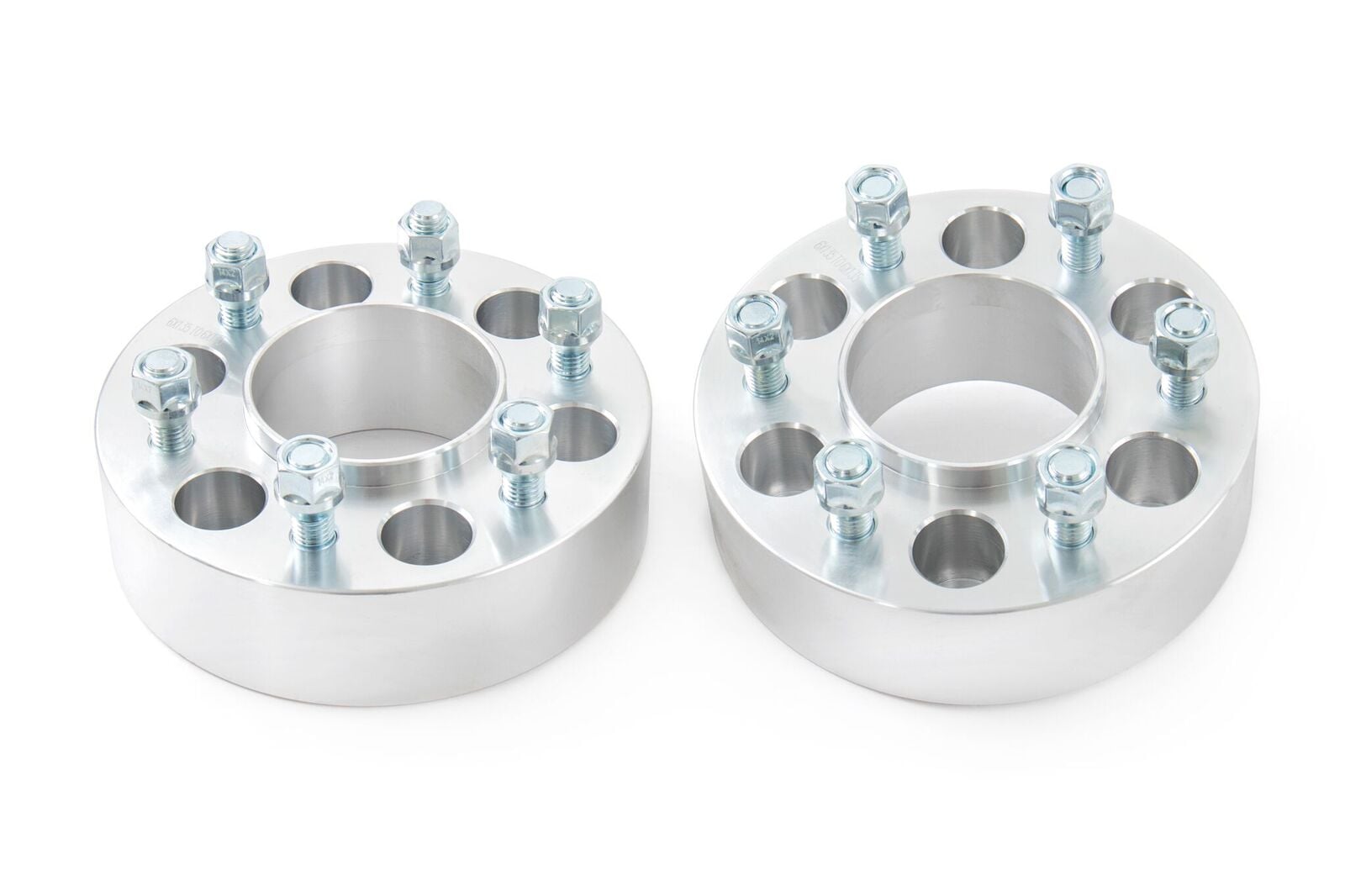 2 Inch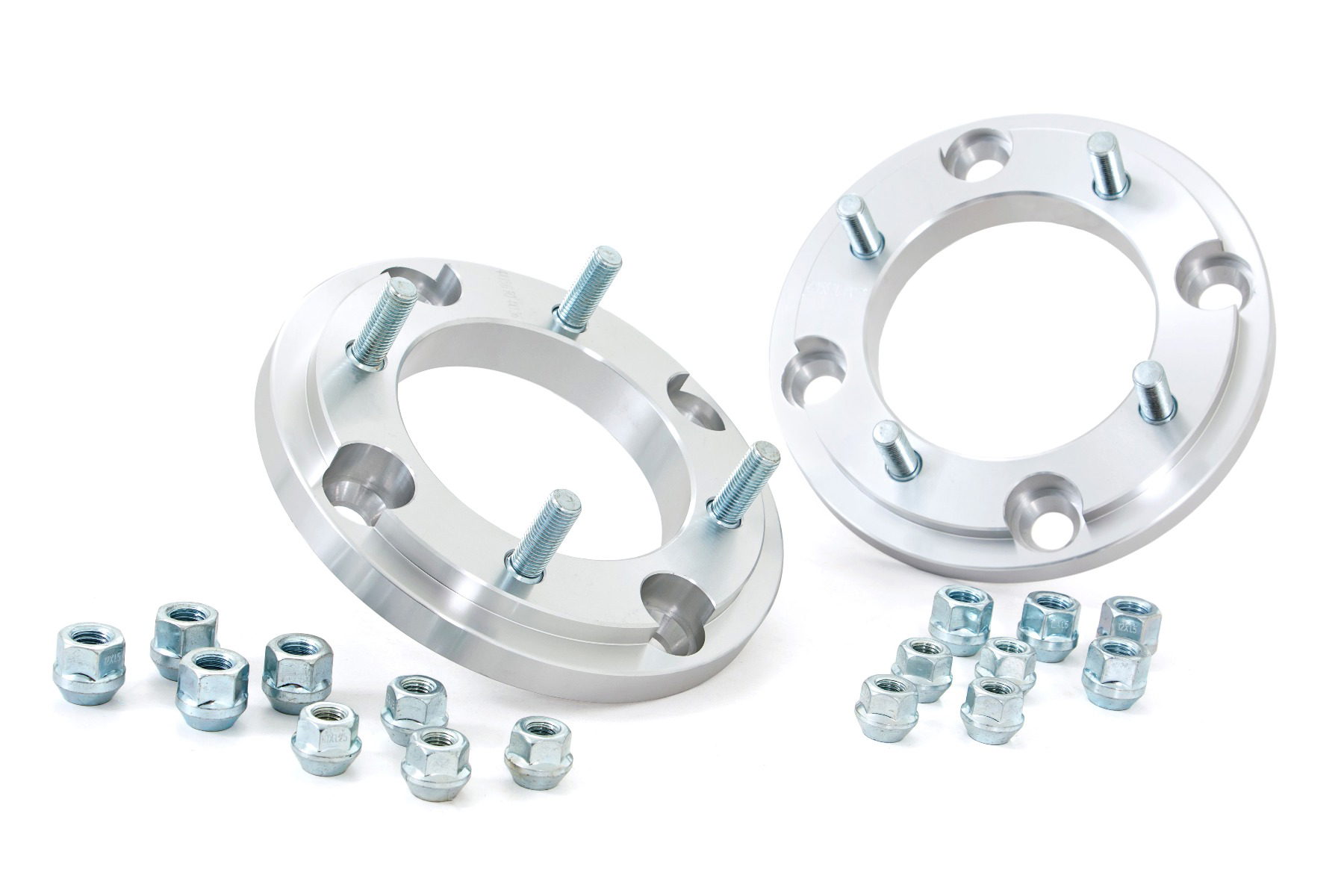
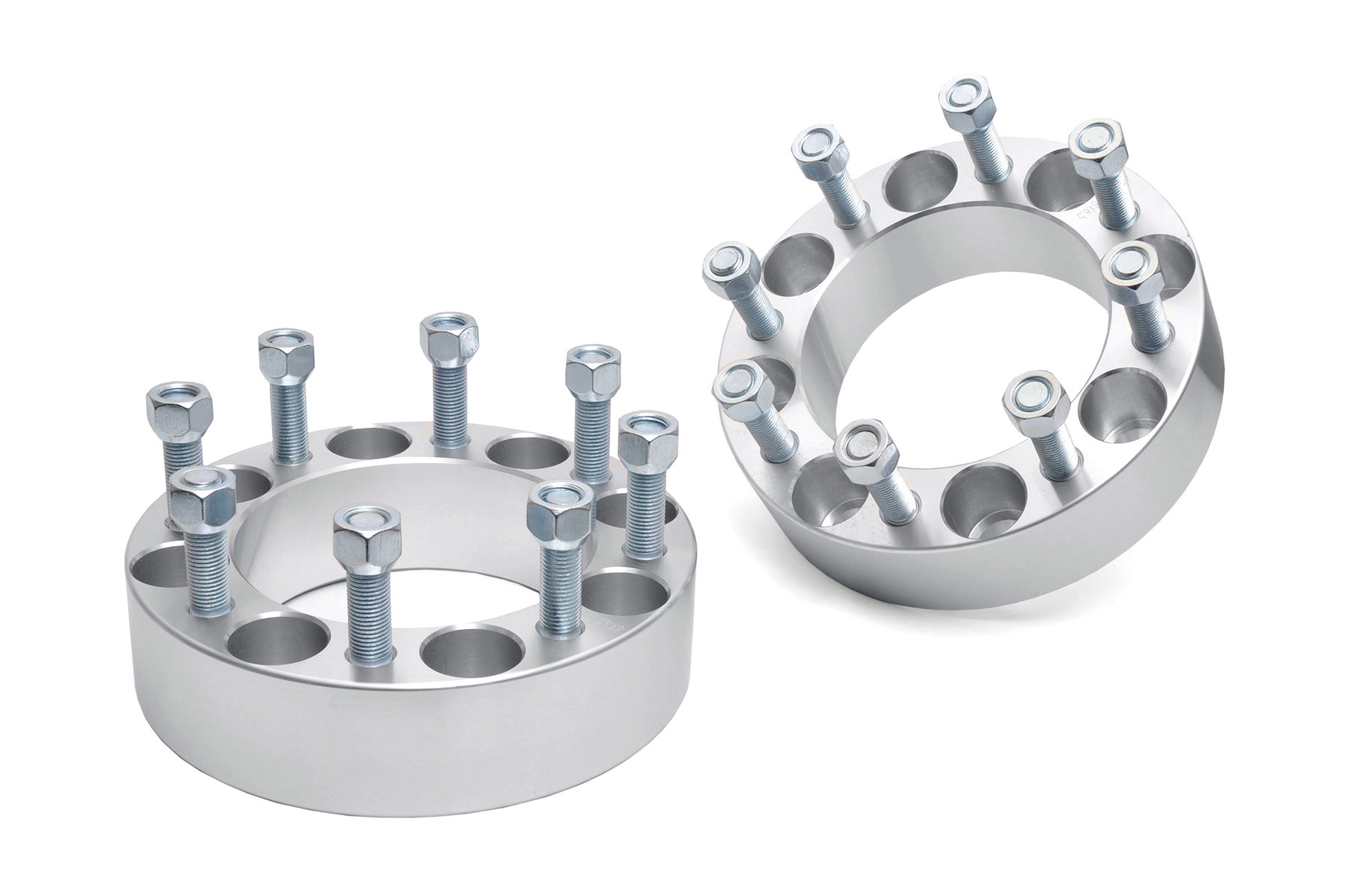 2 Inch
Thread engagement, torque and rechecking
Count the threads. A stud needs full engagement through the nut, and a spacer that leaves you short is the reason spacers have the reputation they do. Some setups need longer studs.
Torque to specification with a wrench rather than a rattle gun, then re-check after the first fifty miles and again after a few hundred. Spacers also change scrub radius and put more load on the wheel bearing, so more is not better. We stock 45 wheel spacer parts from 4 brands.